

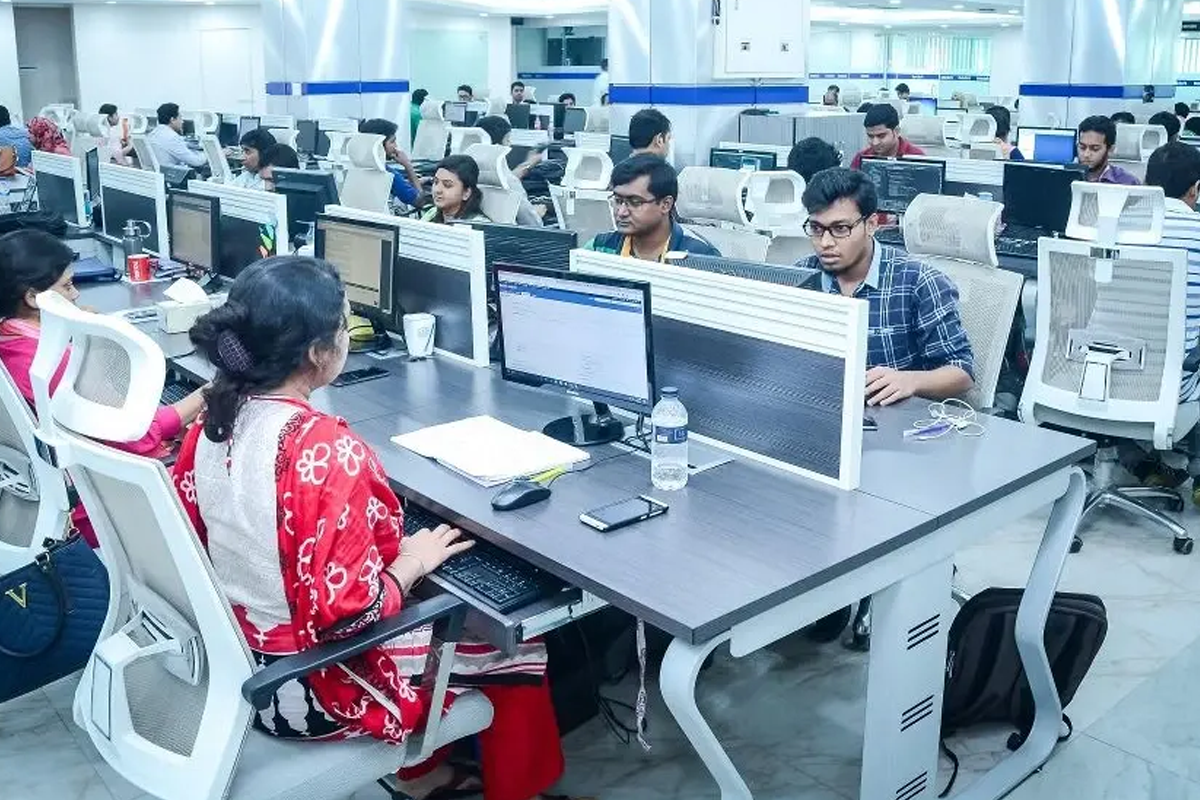
Bangladesh’s information technology sector has become a significant force in economic development. Software companies, freelance workers, outsourcing firms, and digital service providers are contributing to employment creation and foreign income generation. The sector represents a shift from traditional manufacturing and agriculture toward knowledge-based economic activities.
Internet connectivity has expanded across the country over the past decade. Mobile phone usage reaches most of the population. Digital platforms connect Bangladesh workers with international clients. These technological foundations enable the IT sector’s rapid growth.
Government initiatives support technology development through policy frameworks, training programs, and infrastructure investment. The Digital Bangladesh program promotes technology adoption across society. Educational institutions offer IT training courses. Technology parks provide facilities for software companies.
Young professionals increasingly pursue technology careers. University graduates study computer science, software engineering, and related fields. Many people learn programming and digital skills through online courses. This human capital development strengthens the IT sector’s growth potential.
The IT sector’s transformation of Bangladesh’s economy extends beyond direct economic contributions. Technology enables modernization of traditional industries, improves service delivery, and creates new business models. Understanding this transformation helps investors identify opportunities, businesses plan strategies, and students make career decisions.
This article examines how Bangladesh’s IT sector is changing the economy. It covers the sector’s structure, growth trajectory, economic contributions, and future potential. The analysis provides factual information for readers seeking to understand Bangladesh’s digital economy development.
What is Bangladesh’s IT Sector and Digital Economy?
The IT sector in Bangladesh includes companies and individuals providing technology-related products and services. This encompasses software development, web development, mobile application creation, IT consulting, system integration, hardware sales, and technical support services. The sector serves both domestic clients and international markets.
Software companies develop applications for businesses, government agencies, and consumers. These applications handle functions including accounting, inventory management, customer relations, and specific industry needs. Custom software development creates tailored solutions for client requirements.
Freelance workers provide technology services to clients worldwide through online platforms. Freelancers work on projects including website development, graphic design, data entry, digital marketing, and software programming. This work generates income without requiring physical presence in client locations.
Business process outsourcing companies provide services including customer support, data processing, technical support, and back-office operations for international clients. These companies employ workers in Bangladesh to handle tasks for foreign businesses.
The digital economy represents economic activity enabled by digital technologies. This includes e-commerce, digital payments, online services, digital content, and technology-enabled business operations. The digital economy extends beyond the IT sector itself to encompass how technology transforms other sectors.
In Bangladesh, the digital economy involves online shopping platforms, mobile financial services, digital marketing, online education, telemedicine, and digitized government services. Traditional businesses adopt digital tools for operations, marketing, and customer service.
IT-enabled services represent a key component connecting the IT sector and digital economy. These services use technology to deliver business functions more efficiently. Examples include call centers, accounting services, medical transcription, and legal process outsourcing.
The terms “IT sector Bangladesh” and “digital economy Bangladesh” refer to these technology-based economic activities occurring within the country. The sector’s growth reflects Bangladesh’s integration into global technology markets and domestic digital transformation.
History and Background in Bangladesh
Bangladesh’s IT sector development began in the 1990s with limited activity. Few companies existed and most focused on computer sales and basic services. Internet access was restricted to limited locations. Technology education was available at some universities but not widespread.
The telecommunications sector liberalization in the late 1990s and early 2000s created foundations for IT growth. Mobile phone services expanded rapidly. Internet service providers entered the market. Connectivity improvements enabled online work and digital services.
The Bangladesh Computer Council was established in 1983 to promote computer usage and technology development. This government agency worked on computerization of government operations and technology policy development. Its role evolved as the sector grew.
BASIS (Bangladesh Association of Software and Information Services) formed in 1997 to represent IT companies. This trade organization advocates for sector interests, organizes events, and provides member services. BASIS membership grew as more companies entered the sector.
The late 2000s saw growth in freelancing as platforms like Upwork and Freelancer connected Bangladesh workers with international clients. Young people discovered opportunities to earn foreign currency through online work. News of successful freelancers encouraged others to develop similar skills.
Government launched the Digital Bangladesh vision in 2008, setting technology development as a national priority. This initiative promoted digital literacy, e-government services, IT training, and technology infrastructure development. The program influenced policy decisions and resource allocation.
Technology training centers opened in various locations offering courses in programming, web development, graphic design, and digital marketing. Private training institutes and government programs expanded access to technology education beyond formal university degrees.
High-tech parks were established to provide infrastructure for IT companies. The Kaliakoir Hi-Tech Park near Dhaka and later facilities in other locations offered office space, reliable electricity, internet connectivity, and other amenities. These parks concentrated IT companies and facilitated sector growth.
International outsourcing companies established operations in Bangladesh. Foreign firms recognized cost advantages and available workforce. These operations provided employment and exposed Bangladesh workers to international business practices.
Startup culture emerged in the 2010s with young entrepreneurs launching technology companies. E-commerce platforms, mobile applications, and digital services attracted users and investment. Some startups achieved significant scale and recognition.
By 2020, Bangladesh ranked among the top countries in freelancing platforms by number of workers. Software export earnings reached hundreds of millions of dollars annually. The sector employed hundreds of thousands of workers directly and many more indirectly.
The COVID-19 pandemic in 2020-2021 accelerated digital adoption across society. Businesses moved online, education shifted to digital platforms, and remote work became common. This acceleration strengthened demand for IT services and digital solutions.
Current Situation in Bangladesh
Bangladesh’s IT sector in 2026 shows substantial growth and increasing sophistication. Thousands of software companies operate across the country, with major concentration in Dhaka and other cities. Company sizes range from small startups to firms employing hundreds of workers.
Software development focuses on web applications, mobile applications, enterprise software, and custom solutions. Companies serve local businesses, government agencies, and international clients. Development work includes both complete applications and specific modules or features.
Freelancing remains a significant component with Bangladesh consistently ranking among top countries on major platforms. Freelancers work across numerous categories including web development, mobile app development, graphic design, digital marketing, content writing, and data entry. Earnings from freelancing contribute substantially to foreign exchange inflows.
Business process outsourcing operations have expanded. Companies provide customer service, technical support, data processing, accounting services, and other back-office functions. These operations employ thousands of workers and generate steady revenue.
IT training institutes operate throughout the country. Programs cover programming languages, web technologies, mobile development, database management, networking, and cybersecurity. Both short-term courses and longer diploma programs serve different learner needs.
Technology parks in multiple locations host IT companies. Facilities provide reliable infrastructure including high-speed internet, uninterrupted power supply, and modern office spaces. Some parks include training centers and business support services.
The startup ecosystem has matured with active accelerators, incubators, and investment funds. Technology startups address various sectors including e-commerce, fintech, education technology, health technology, and logistics. Some companies have secured substantial funding and expanded operations.
Government digitization initiatives have progressed. Many government services are available online. Digital platforms facilitate business registration, tax payment, and various licensing processes. E-governance reduces bureaucratic delays and improves service delivery.
Educational institutions have strengthened technology programs. Universities offer undergraduate and graduate degrees in computer science, software engineering, and information technology. Student enrollment in technology programs has increased significantly.
Hardware and networking services support IT infrastructure development. Companies install networks, configure systems, and provide maintenance services. This segment serves businesses, educational institutions, and other organizations.
Cybersecurity services address growing security needs. Companies offer security assessments, penetration testing, security system implementation, and incident response. Increasing cyber threats drive demand for security services.
Digital marketing agencies help businesses reach customers online. Services include social media management, search engine optimization, content marketing, and online advertising. Digital marketing has become essential for businesses across sectors.
E-learning platforms provide educational content and courses. Platforms serve school students, university students, and professionals seeking skill development. The online education market has grown substantially since 2020.
Mobile application development serves local market needs and international clients. Applications cover categories including e-commerce, financial services, education, entertainment, and utilities. The smartphone user base in Bangladesh supports domestic application market growth.
Employment in the IT sector includes direct jobs in technology companies and indirect employment in related services. Sector employment growth outpaces many traditional industries, attracting educated youth.
Business and Economic Importance
The IT sector’s economic importance extends across multiple dimensions. Direct contributions include employment creation, foreign exchange earnings, and value addition to GDP. Indirect contributions involve enabling digital transformation across other sectors.
Employment creation represents a crucial contribution. The IT sector employs hundreds of thousands of workers directly in software companies, freelancing, outsourcing firms, and related businesses. These jobs typically offer higher wages than many traditional sectors. Technology employment attracts educated youth and reduces unemployment among skilled workers.
Foreign exchange earnings from IT services strengthen Bangladesh’s balance of payments. Software exports, freelancing income, and outsourcing revenue bring foreign currency into the country. These earnings come without requiring raw material imports, unlike manufacturing exports. IT services represent high value-added exports with significant profit margins.
The sector contributes to GDP growth through value creation. Software development, IT services, and digital platform operations add economic value. As the sector grows, its GDP contribution increases proportionally. Technology-based value addition diversifies the economic base beyond traditional sectors.
Tax revenue generation provides government resources. IT companies pay corporate taxes, employees pay income taxes, and various business activities generate tax revenue. Sector growth increases future tax collections.
Technology skill development creates human capital valuable for economic development. Workers learning programming, software development, and digital skills become more productive. These skills transfer across industries as technology adoption spreads. Human capital development supports long-term economic competitiveness.
Digital transformation of traditional industries improves overall economic efficiency. Technology enables better inventory management, customer service, financial management, and operational processes. Businesses become more competitive through technology adoption. This transformation affects manufacturing, retail, agriculture, and services.
Access to global markets allows Bangladesh businesses to compete internationally. IT services can be delivered remotely to any location. This removes geographical barriers that constrain other industries. Small companies in Bangladesh can serve clients in developed countries.
Entrepreneurship opportunities encourage business creation. Technology-based businesses have lower entry barriers than manufacturing or traditional services. Young people can start software companies or freelancing careers with limited capital. Entrepreneurship creates economic dynamism and innovation.
Cost reduction through digital solutions benefits businesses across sectors. Automated systems reduce manual labor requirements. Digital communication lowers coordination costs. Online platforms reduce marketing expenses. These efficiency gains improve business profitability and competitiveness.
Financial inclusion advances through digital financial services. Mobile banking, digital payments, and online lending reach populations without bank access. Financial inclusion supports economic participation and poverty reduction.
Service delivery improvements benefit consumers and businesses. E-commerce provides convenient shopping. Online education offers flexible learning. Telemedicine improves healthcare access. These services enhance quality of life and economic opportunity.
Knowledge economy transition positions Bangladesh for future economic development. High-income countries derive substantial GDP from knowledge-based sectors. Developing IT capabilities prepares Bangladesh for this transition. Technology sector growth creates foundations for advanced economic status.
Key Components and Types
Bangladesh’s IT sector encompasses several distinct components, each serving different functions and markets.
Software Development Companies create applications for various purposes. Enterprise software helps businesses manage operations, resources, and customer relationships. Custom development builds specific solutions for client needs. Product companies develop software applications sold to multiple customers. Development work includes web applications, desktop applications, and enterprise systems.
Mobile Application Development creates applications for smartphones and tablets. Developers build applications for iOS and Android platforms. Applications serve categories including business productivity, entertainment, education, finance, and social networking. Both custom development for clients and product development for public release occur in this segment.
Freelancing involves individuals providing services to clients through online platforms. Freelancers work independently without formal employment relationships. Services include programming, web design, graphic design, content writing, digital marketing, and data processing. Bangladesh ranks among the top freelancing countries globally by number of active freelancers.
Business Process Outsourcing provides business services to international clients. Companies handle customer service calls, technical support, data entry, accounting tasks, and back-office operations. BPO operations employ large numbers of workers in centralized facilities. Services are delivered remotely through telecommunications infrastructure.
IT Consulting helps organizations plan and implement technology solutions. Consultants assess business needs, recommend appropriate technologies, and guide implementation projects. Services include system analysis, technology strategy, project management, and change management. Consulting serves both domestic and international clients.
System Integration connects different technology systems to work together. Integrators install hardware, configure software, and ensure systems communicate properly. Services include network setup, server installation, security system implementation, and enterprise system integration. This segment serves businesses, government, and institutions.
Web Development creates websites and web applications. Services range from simple informational websites to complex e-commerce platforms and web-based business systems. Web developers work on both front-end design and back-end functionality. This segment serves businesses of all sizes.
Digital Marketing Services help businesses promote products and services online. Agencies manage social media accounts, create content, optimize websites for search engines, and run online advertising campaigns. Digital marketing has become essential for businesses seeking online customers.
IT Training and Education develops technology skills in the workforce. Training institutes offer courses in programming languages, software development, networking, database management, and digital marketing. Both short-term skill courses and longer diploma programs exist. Online learning platforms supplement classroom training.
Hardware Sales and Support provides computer equipment and related devices. Vendors sell computers, servers, networking equipment, and peripherals. Support services include installation, maintenance, and repairs. This segment serves businesses, institutions, and consumers.
Cybersecurity Services protect systems and data from threats. Companies offer security assessments, penetration testing, security system implementation, monitoring services, and incident response. Increasing cyber threats drive demand for security expertise.
Data Center Services provide infrastructure for hosting servers and applications. Data centers offer server space, power, cooling, and network connectivity. Cloud service providers offer virtual infrastructure accessible over the internet. These services support business IT operations.
E-learning Platforms deliver educational content online. Platforms provide video courses, interactive lessons, assessments, and certifications. Content covers academic subjects, professional skills, and technical training. Online education serves students and professionals.
Technology Startups develop innovative products and services. Startups operate in various domains including fintech, e-commerce, logistics, education, healthcare, and agriculture. These companies pursue rapid growth and often seek investment funding.
Each component contributes to the overall IT sector and serves specific market needs. Components interconnect, with workers often moving between segments and companies operating in multiple areas.
Market Trends in Bangladesh
Several significant trends characterize Bangladesh’s IT sector development in 2026.
Growing International Client Base shows Bangladesh IT companies and freelancers serving clients from diverse countries. Major markets include North America, Europe, Australia, and Middle Eastern countries. Service quality improvements and competitive pricing attract international buyers. Repeat business and referrals expand client relationships. Bangladesh’s reputation as an IT service provider continues strengthening.
Increasing Service Sophistication reflects movement toward higher-value services. Companies develop more complex applications requiring advanced skills. Consulting services address strategic business needs rather than just implementation. Solution providers offer complete systems rather than individual components. This sophistication increases revenue per project and profit margins.
Expansion Beyond Dhaka indicates IT sector growth in cities including Chattogram, Sylhet, Rajshahi, and Khulna. Technology companies establish operations outside the capital. Regional technology parks attract businesses. Local universities produce technology graduates who find employment locally. Geographic expansion distributes economic benefits more broadly.
Rise of Product Companies shows more firms developing software products rather than only providing services. Product companies build applications sold to multiple customers. This business model generates recurring revenue and scales better than project-based services. Successful products create intellectual property and brand value.
Government Digital Initiatives drive demand for IT services. Digitization of government operations requires substantial technology implementation. E-governance projects create contracts for IT companies. Digital service development for citizens provides business opportunities. Government spending supports sector growth.
Growing Startup Investment reflects increasing venture capital availability. Both local and international investors fund technology startups. Investment amounts have grown over recent years. Successful exits demonstrate returns and attract more capital. The investment ecosystem maturity supports entrepreneurship.
Blockchain and Cryptocurrency Interest shows emerging technology adoption. Some companies explore blockchain applications for supply chain, financial services, and record keeping. Cryptocurrency exchanges and related services have appeared despite regulatory uncertainty. This represents Bangladesh’s participation in global technology trends.
Cybersecurity Demand Growth responds to increasing digital threats. Organizations recognize security importance as they digitalize operations. Security breaches affecting local and international companies raise awareness. Regulatory requirements drive security investments. This creates opportunities for cybersecurity specialists and service providers.
Remote Work Normalization changes employment patterns. Technology enables working from anywhere with internet connectivity. Companies hire talent regardless of location. Freelancing platforms facilitate remote work arrangements. This flexibility attracts workers and allows companies to access broader talent pools.
Cloud Computing Adoption shows businesses moving to cloud infrastructure. Companies use cloud services for data storage, application hosting, and computing resources. Cloud adoption reduces upfront technology investments and provides scalability. International cloud providers and local data centers serve this market.
Mobile-First Development prioritizes mobile applications over desktop solutions. High smartphone penetration makes mobile platforms primary access points. Applications designed for mobile devices reach larger audiences. Mobile commerce, mobile banking, and mobile services drive this trend.
E-commerce Technology Demand grows with online shopping expansion. E-commerce businesses need websites, mobile applications, payment integration, and inventory management systems. Technology providers serve this demand with platforms and custom solutions. E-commerce growth directly benefits IT companies.
Education Technology Growth accelerates with online learning adoption. Schools, universities, and training institutes need learning management systems, content delivery platforms, and assessment tools. Education technology startups develop solutions for local market needs. The sector shows substantial growth potential.
Digital Payment Integration requires IT systems supporting various payment methods. Businesses integrate mobile money, card payments, and digital wallets into their operations. Payment gateway providers and IT companies implement these systems. Financial technology integration creates ongoing IT work.
Data Analytics Interest increases as organizations seek insights from information. Companies want to understand customer behavior, operational efficiency, and market trends. Data analytics services help organizations make data-driven decisions. This represents a growing specialty within IT services.
These trends indicate sector evolution toward higher sophistication, broader geographic reach, and integration with economic modernization. Understanding trends helps businesses position themselves and investors identify opportunities.
Opportunities
Bangladesh’s IT sector presents numerous opportunities for different stakeholders.
Software Development Services offer opportunities for companies and freelancers. Global demand for software development continues growing. Bangladesh’s competitive labor costs attract international clients. Developers can specialize in specific technologies, industries, or application types. Established relationships with satisfied clients generate ongoing work.
Freelancing Careers provide income opportunities for skilled individuals. Online platforms connect freelancers with global clients. Workers can start with minimal investment and build portfolios over time. Successful freelancers earn competitive incomes while working flexible hours. Freelancing allows people outside major cities to access global markets.
Startup Creation enables entrepreneurs to build technology companies. Lower entry barriers compared to manufacturing make startups accessible. Investment capital supports promising ventures. Successful startups create substantial value for founders and early employees. The ecosystem supports entrepreneurship through accelerators and mentorship.
Training and Education Services meet demand for technology skills. Training institutes can offer courses in programming, web development, digital marketing, and other areas. Online platforms can reach students nationwide. Corporate training serves businesses upgrading employee skills. The education market continues growing.
Outsourcing Business Establishment offers opportunities for larger-scale operations. BPO companies can provide services to international clients seeking cost-effective solutions. Operations require investment in facilities and hiring but generate steady revenue streams. Bangladesh’s labor cost advantage supports competitiveness.
Technology Consulting serves organizations implementing digital systems. Consultants help clients select appropriate technologies, plan implementations, and manage change. Experience and expertise allow consultants to command premium rates. Consulting serves both local and international markets.
Cybersecurity Services address growing security needs. Organizations require security assessments, system protection, and incident response capabilities. Certified security professionals find strong demand. Security service providers can serve multiple clients with specialized expertise.
E-commerce Platform Development serves the expanding online retail market. Companies need custom e-commerce solutions with payment integration, inventory management, and mobile applications. Platform developers can specialize in e-commerce technology. Recurring maintenance and updates provide ongoing revenue.
Mobile Application Development creates opportunities in a growing market. Smartphone adoption drives demand for applications. Developers can build consumer applications or custom solutions for businesses. Successful consumer applications generate revenue through sales, subscriptions, or advertising.
Digital Marketing Agencies help businesses reach online customers. Services include social media management, content creation, and advertising management. Small businesses increasingly recognize digital marketing importance. Agencies can serve multiple clients and grow with client success.
IT Infrastructure Services support business technology needs. Companies need network installation, server setup, system maintenance, and technical support. Managed service providers offer ongoing IT management for businesses. Infrastructure services generate recurring revenue.
Cloud Services allow companies to provide hosting and infrastructure. Local data centers can serve businesses wanting domestic hosting. Cloud service providers offer scalable computing resources. This market grows with cloud adoption.
Education Technology Solutions serve schools, universities, and training organizations. Learning management systems, content platforms, and assessment tools address education sector needs. Government digitization of education creates opportunities. Private education institutions also invest in technology.
Financial Technology Development serves the growing digital finance sector. Banks, mobile financial services, and fintech startups need technology solutions. Payment systems, lending platforms, and financial management applications require development. The fintech sector shows strong growth potential.
Healthcare Technology addresses digital health needs. Telemedicine platforms, hospital management systems, and health applications serve medical sector requirements. Healthcare digitization creates technology opportunities. Remote healthcare delivery requires IT solutions.
Investment in IT Companies allows investors to participate in sector growth. Venture capital, angel investment, and public market investment provide opportunities. Successful IT companies generate substantial returns. The sector offers growth potential exceeding many traditional industries.
These opportunities span different skill levels, capital requirements, and business models. Individuals and organizations can find suitable opportunities matching their capabilities and resources.
Challenges
Despite positive trends, Bangladesh’s IT sector faces several significant challenges affecting growth and development.
Skill Shortages limit sector expansion. Demand for technology workers exceeds supply of qualified candidates. Specialized skills including advanced programming, cybersecurity, data science, and system architecture are particularly scarce. Companies struggle to recruit talent for growing operations. Skill gaps reduce service quality and limit project complexity.
Infrastructure Limitations constrain business operations. Internet connectivity remains inadequate in many areas. Power outages disrupt work despite backup systems. Office space with proper facilities is limited outside major cities. Infrastructure problems reduce productivity and increase costs.
Limited Access to Capital restricts company growth and startup development. Banks require collateral and established track records for loans. Venture capital availability has improved but remains limited compared to regional competitors. Funding constraints prevent companies from scaling operations or making necessary investments.
Brain Drain affects the sector as skilled workers emigrate. Developed countries offer higher salaries and better opportunities. Experienced professionals leaving Bangladesh reduce available expertise. Training new workers to replace departing talent requires time and resources.
Quality Perception Issues affect market reputation. Some international clients perceive Bangladesh services as lower quality than competitors. Past experiences with poorly executed projects damage overall reputation. Overcoming quality perception requires consistent excellent performance.
Payment Processing Difficulties create challenges for freelancers and companies. International payment receipt involves high fees and delays. PayPal and some other payment services have limited functionality in Bangladesh. Payment difficulties discourage international clients and complicate freelancer operations.
Regulatory Uncertainty affects business planning. Technology regulations evolve slowly and sometimes lack clarity. Cryptocurrency and blockchain regulations remain undefined. Data protection and privacy frameworks are developing. Regulatory uncertainty creates compliance challenges and investment hesitation.
Competition from Other Countries affects market share. India, Philippines, Vietnam, and other countries compete for IT outsourcing work. These competitors offer similar cost advantages with larger scale and stronger reputations. Bangladesh must differentiate itself to compete effectively.
Limited Research and Development restricts innovation. Most companies focus on service delivery rather than technology innovation. Limited R&D spending means Bangladesh follows rather than leads in technology development. Intellectual property creation remains minimal.
Education System Gaps produce graduates lacking practical skills. University curricula sometimes lag industry needs. Theoretical focus exceeds practical training. Graduates often require substantial additional training before productive employment.
Language Barriers affect communication with international clients. English proficiency varies among workers. Communication difficulties cause misunderstandings and project problems. Improved English training addresses this but requires time and investment.
Cybersecurity Threats increase as digitalization expands. Cyberattacks target businesses and individuals. Many organizations lack adequate security measures. Security breaches damage reputations and create financial losses.
Time Zone Differences complicate work with clients in distant locations. Real-time communication becomes difficult when client and provider operate in different time zones. This affects project management and customer support services.
Market Fragmentation creates inefficiencies. Many small companies operate without coordination. Standards vary across providers. Fragmentation reduces collective bargaining power and complicates quality assurance.
Intellectual Property Protection Concerns affect high-value work. Weak IP enforcement creates risks for product development and innovative solutions. International clients worry about IP protection. Strengthening legal frameworks and enforcement would address this challenge.
Addressing these challenges requires coordinated efforts from government, industry, and educational institutions. Infrastructure investment, education system improvements, regulatory clarity, and quality focus will help overcome obstacles to sector growth.
Future Outlook in Bangladesh
Bangladesh’s IT sector shows promising future prospects with multiple growth drivers and development pathways.
Continued Employment Growth appears likely with sector expansion. Technology jobs will increase as more companies establish operations and existing firms expand. Freelancing will continue attracting workers seeking flexible income opportunities. IT sector employment may reach millions of workers over the coming decade.
Service Sophistication will advance with skill development and experience accumulation. Companies will handle more complex projects requiring advanced expertise. Higher-value services will replace some lower-value work. This sophistication will increase revenue per worker and profit margins.
Geographic Expansion will distribute IT sector benefits beyond major cities. Improved internet connectivity will enable remote work from anywhere. Regional technology hubs will emerge around universities and infrastructure investments. Geographic distribution will reduce urban concentration and spread economic opportunities.
Product Development will increase relative to service provision. More companies will create software products for specific markets or functions. Product businesses will generate recurring revenue and intellectual property. Successful products may achieve regional or global scale.
Artificial Intelligence and Machine Learning applications will appear in various contexts. Technology companies will incorporate intelligent systems into products and services. Automation will affect some service categories while creating demand for higher-level work. Bangladesh will need to develop capabilities in these advanced technologies.
Blockchain Applications may emerge in sectors including finance, supply chain, and government services. Beyond cryptocurrency, blockchain technology offers solutions for transparency and record-keeping. Practical applications will develop as technology matures and regulations clarify.
Cybersecurity Sector Growth will accelerate with increasing digital threats and awareness. Organizations will invest more in security measures. Cybersecurity specialists will find strong demand. The sector will develop expertise and service offerings.
Regional Market Access may improve through economic cooperation agreements. Bangladesh could serve neighboring countries with IT services. Regional integration creates larger addressable markets. Cultural and geographic proximity to South and Southeast Asian markets offers advantages.
Government Digital Transformation will continue creating demand. Public services will increasingly move online. Government systems will require ongoing development and maintenance. Smart city initiatives may emerge. Digital governance creates sustained IT sector work.
Education System Adaptation will better prepare students for technology careers. Universities will update curricula to match industry needs. Practical training will increase. Industry-academia collaboration will strengthen. These improvements will address current skill gaps.
Investment Ecosystem Maturity will provide more capital for growth. Success stories will attract investment. Local capital markets may provide funding options. International investors will increase participation. Better funding access will support startup growth and company expansion.
Export Diversification will reduce dependence on traditional sectors. IT services will contribute meaningfully to export earnings alongside garments. Service exports face fewer physical constraints than goods exports. This diversification strengthens economic resilience.
Quality Reputation Improvement will follow from consistent excellent performance. International recognition will increase as more companies demonstrate capabilities. Industry certifications and standards adoption will support quality perception. Reputation improvement will enable premium pricing.
Emerging Technology Adoption will continue as global technology evolves. Internet of things, cloud computing, edge computing, and other technologies will find applications. Bangladesh companies and workers will need to continuously update skills and knowledge.
Integration with Global Digital Economy will deepen. Bangladesh will participate more fully in international digital trade. Cross-border digital services will grow. Global platform economies will include more Bangladesh participants.
The trajectory points toward substantial IT sector growth contributing meaningfully to Bangladesh’s economic development. Realizing this potential requires addressing current challenges through infrastructure investment, education improvements, regulatory modernization, and quality focus. The sector’s importance in Bangladesh’s economy will likely continue increasing over the coming decades.
Conclusion
Bangladesh’s IT sector has emerged as a significant force transforming the country’s economy. Through software development, freelancing, business process outsourcing, and digital services, the sector creates employment, generates foreign exchange, and enables economic modernization. Growth from modest beginnings to current substantial scale demonstrates the sector’s potential and achievement.
The sector’s economic importance extends beyond direct contributions to encompass enabling digital transformation across other industries. Technology adoption improves business efficiency, expands market access, and creates new business models. The digital economy facilitated by IT sector development touches nearly all economic activities.
Current trends show increasing service sophistication, geographic expansion, product development, and integration with global markets. These trends position Bangladesh competitively in international IT services markets. The sector’s evolution from low-value services toward higher-value work increases economic benefits.
Opportunities exist across various segments for individuals, companies, and investors. Freelancing provides income for skilled workers. Software companies serve growing domestic and international markets. Startups pursue innovative solutions. Investors participate in sector growth. Training providers meet skill development needs.
Challenges including skill shortages, infrastructure limitations, and quality perception require attention. Addressing these challenges through coordinated efforts will determine how effectively Bangladesh capitalizes on IT sector potential. Government policies, educational improvements, and industry initiatives all play roles.
The future outlook remains positive with continued growth expected across employment, exports, and economic contribution. Technology advancement globally creates ongoing opportunities for Bangladesh participation. The sector’s role in economic development will likely increase substantially.
Understanding IT sector dynamics helps various stakeholders make informed decisions. Business owners can identify opportunities and develop strategies. Students can make career choices. Investors can assess potential returns. Policymakers can design supportive frameworks. This knowledge enables better navigation of Bangladesh’s digital economy transformation.
Frequently Asked Questions
What is the IT sector in Bangladesh?
The IT sector in Bangladesh includes companies and individuals providing technology products and services. This encompasses software development, web development, mobile applications, IT consulting, business process outsourcing, freelancing, and digital services. The sector serves domestic and international clients.
How many people work in Bangladesh’s IT sector?
Hundreds of thousands of people work directly in Bangladesh’s IT sector through employment in companies and freelancing. Exact numbers vary by definition and measurement method. The sector employs software developers, designers, project managers, support staff, and various technical specialists. Employment continues growing as the sector expands.
Why is the IT sector important for Bangladesh’s economy?
The IT sector is important because it creates employment, generates foreign exchange through exports and freelancing, contributes to GDP growth, enables digital transformation of other industries, and develops valuable technology skills in the workforce. The sector represents high-value economic activity and future growth potential.
What services do Bangladesh IT companies provide?
Bangladesh IT companies provide software development, web development, mobile application creation, IT consulting, system integration, digital marketing, cybersecurity services, business process outsourcing, cloud services, and technical support. Services address both domestic business needs and international client requirements.
How much does Bangladesh earn from IT exports?
Bangladesh earns hundreds of millions of dollars annually from IT service exports and freelancing. Exact amounts vary by year and measurement methodology. Export earnings have grown steadily as the sector expands. IT services contribute to foreign exchange earnings alongside traditional exports.
What are the main challenges facing Bangladesh’s IT sector?
Main challenges include skill shortages, infrastructure limitations, limited access to capital, brain drain as workers emigrate, quality perception issues, payment processing difficulties, regulatory uncertainty, and competition from other countries. Addressing these challenges requires coordinated efforts.
What opportunities exist in Bangladesh’s IT sector?
Opportunities include software development services, freelancing careers, startup creation, training and education services, outsourcing business establishment, technology consulting, cybersecurity services, e-commerce platform development, mobile application development, and digital marketing agencies. Various opportunities match different skills and resources.
How can someone start a career in Bangladesh’s IT sector?
Starting an IT career involves learning relevant technical skills through university education, training institutes, or online courses. Beginners can start with freelancing on online platforms or apply for entry-level positions in IT companies. Building a portfolio of work helps demonstrate capabilities. Continuous learning is important as technology evolves.
What role does the government play in IT sector development?
The government supports IT sector development through Digital Bangladesh initiatives, policy frameworks, technology parks, training programs, e-governance projects creating demand, and infrastructure investments. Government contracts for digitization projects provide business opportunities. Policies affect regulatory environment and investment climate.
What is the future outlook for Bangladesh’s IT sector?
The future outlook is positive with expected continued growth in employment, exports, and economic contribution. Service sophistication will increase, geographic expansion will continue, and product development will grow. Integration with global digital economy will deepen. The sector’s role in Bangladesh’s economy will likely expand substantially.