

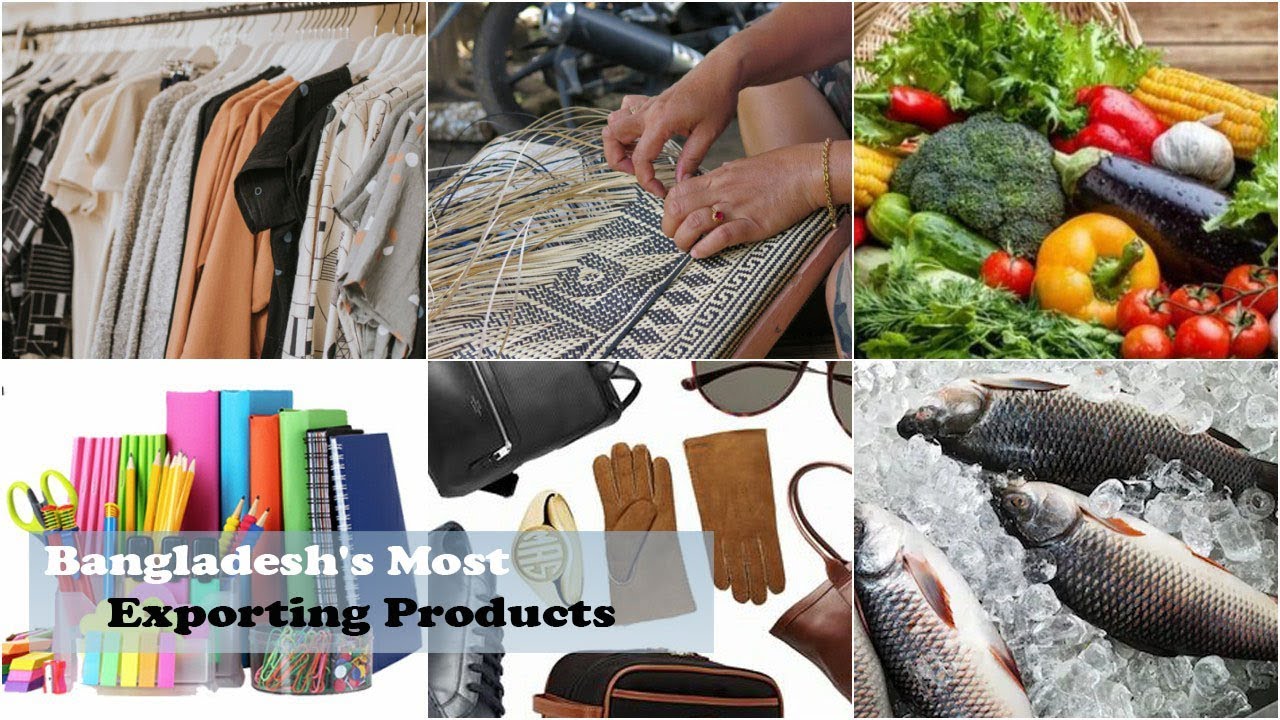
Bangladesh is one of the most export-driven economies in the developing world. The country earns a large share of its national income by selling goods and services to buyers in other countries. These exports create millions of jobs, bring in foreign currency, and support the growth of entire industries across the country.
Bangladesh’s export story is dominated by the ready-made garment industry, which has made the country one of the largest clothing exporters in the world. But the story of Bangladeshi exports goes beyond garments. Leather goods, jute products, seafood, pharmaceuticals, agricultural items, and information technology services all contribute to the country’s export earnings and support a diverse range of workers and businesses.
For investors, business owners, and professionals seeking to understand Bangladesh’s economy, the export sector is an essential starting point. It reveals which industries are most competitive internationally, where employment and economic growth are concentrated, and where new opportunities are emerging.
This article explains Bangladesh’s top export products, how each one contributes to the economy, and what trends and opportunities are shaping the future of trade from Bangladesh.
What Are Export Products and Trade in Bangladesh?
An export product is a good or service produced in one country and sold to buyers in another country. When Bangladesh exports clothing to Europe, jute to India, or software services to the United States, it earns foreign currency — mainly US dollars — in exchange. This foreign currency is essential for paying for imports, servicing international debt, and maintaining economic stability.
Trade refers to the overall system of buying and selling goods and services between countries. Bangladesh’s trade balance — the difference between the value of goods it exports and the value it imports — is an important indicator of economic health. A strong export performance helps support the value of Bangladesh’s currency and fund government programmes.
The Export Promotion Bureau (EPB) of Bangladesh is the government body responsible for promoting Bangladeshi products in international markets. It tracks export data, supports companies in finding international buyers, and coordinates trade fairs and market development activities.
According to the World Bank – Bangladesh trade data, Bangladesh has significantly expanded its export base over the past three decades, growing from a limited range of products to a more diverse export portfolio spanning manufacturing, agriculture, and services.
History and Background of Bangladesh’s Export Sector
At independence in 1971, Bangladesh had a very limited industrial base. Jute was the dominant export product, earning the country the nickname “golden fibre” and accounting for the majority of export revenue in the early years after independence.
In the late 1970s and early 1980s, the ready-made garment industry began to develop. Bangladesh’s first garment factories were established with the support of technical knowledge from South Korea and investment from local entrepreneurs who saw the potential of low-cost manufacturing for international clothing brands.
The growth of the garment sector was rapid and transformative. By the 1990s, Bangladesh had established itself as one of the world’s major clothing exporters. Millions of workers — the majority of them women — found employment in garment factories across Dhaka, Chattogram, and Gazipur. Export earnings from garments far surpassed those from jute within a decade.
During the 1990s and 2000s, other export sectors also developed. The leather industry grew as Bangladesh’s tanneries processed hides from the country’s large cattle population. Seafood exports, particularly frozen shrimp and fish, expanded. Pharmaceutical companies began to produce medicines not only for the domestic market but also for export to developing countries.
The early 2000s saw the beginning of information technology exports. Bangladeshi software developers and IT service companies began to attract international clients, earning foreign currency from services rather than manufactured goods. This marked the beginning of a shift toward a more diverse export base.
Current Situation of Bangladesh’s Export Sector
Bangladesh’s total annual export earnings have grown substantially over recent decades. The ready-made garment sector continues to dominate, accounting for the large majority of total export revenue. The country competes directly with Vietnam, Cambodia, and other Asian nations for orders from international clothing retailers and brands.
The European Union and the United States are the two largest markets for Bangladeshi exports. The EU’s Generalised Scheme of Preferences (GSP) has historically provided duty-free access for many Bangladeshi goods, particularly garments, which has been a significant competitive advantage.
Bangladesh is working to diversify its export base beyond garments. The government and the Export Promotion Bureau have identified several priority sectors for export growth, including leather and leather goods, pharmaceutical products, jute and jute products, information technology services, light engineering products, and agro-processed foods.
The Bangladesh Bank monitors foreign exchange earnings from exports closely. Export receipts are an important input to Bangladesh’s foreign exchange reserves, which are used to manage the stability of the taka and meet international financial obligations.
The Chittagong Port and Dhaka’s Hazrat Shahjalal International Airport are the main gateways for Bangladesh’s exports. Ongoing investment in port infrastructure and logistics is aimed at reducing the cost and time required to move goods from factories to international buyers.
Economic Importance of Exports for Bangladesh
Exports are central to Bangladesh’s economic model. They provide the foreign currency needed to pay for imports — including the fuel, machinery, and raw materials that factories need to produce goods. Without strong export earnings, Bangladesh would struggle to sustain the level of industrial activity that supports its current economic growth rates.
The export sector is also the largest source of formal employment in Bangladesh. The garment industry alone employs several million workers. Leather, seafood processing, jute manufacturing, and other export sectors add millions more. Many of these jobs are in urban factories and have played a major role in urbanisation and the integration of women into the formal workforce.
Export earnings contribute to government revenue through taxes, duties, and charges related to trade. They also support the livelihoods of workers in transport, logistics, and services that support the export industries.
According to Trading Economics – Bangladesh exports, Bangladesh’s export growth has been one of the defining features of its economic performance over the past three decades. This growth has been a key driver of poverty reduction and improved living standards across the country.
Bangladesh’s Top Export Products
1. Ready-Made Garments (RMG)
Ready-made garments are by far Bangladesh’s largest export category. The country produces t-shirts, trousers, jackets, knitwear, woven items, and a wide range of other clothing for international brands and retailers. Major buyers include global clothing chains in Europe, North America, and Asia.
Bangladesh is the world’s second-largest garment exporter after China. The sector employs millions of workers in thousands of factories. Most workers are women from rural areas who have migrated to cities in search of employment. The sector has contributed significantly to women’s economic empowerment in Bangladesh.
The garment industry is concentrated in Dhaka and its surrounding districts, particularly Gazipur, Narayanganj, and Ashulia. Chattogram also hosts a significant number of garment factories. The Bangladesh Garment Manufacturers and Exporters Association (BGMEA) represents and coordinates the industry.
Bangladesh garment factories have faced scrutiny over working conditions and factory safety, particularly following major industrial accidents in the early 2010s. Since then, the industry has undergone significant reforms in safety standards, building inspections, and worker welfare, supported by international buyers and development organisations.
2. Leather and Leather Goods
Bangladesh has a significant leather industry based on processing hides and skins from the country’s large cattle and goat population. Processed leather is exported as a raw material, and finished leather goods including bags, belts, wallets, shoes, and gloves are exported as manufactured products.
The tanning industry is centred in Dhaka, historically concentrated in the Hazaribagh area. In recent years, efforts have been made to relocate tanneries to a purpose-built Leather Industrial City in Savar, which is designed with better environmental controls and waste treatment facilities.
Leather goods manufacturing is a growing component of the sector. Bangladesh’s competitive labour costs and improving production quality have helped local manufacturers attract orders from international footwear and accessories brands. The leather goods sector is seen as an important diversification opportunity alongside garments.
3. Jute and Jute Products
Jute is one of Bangladesh’s oldest and most historically significant export products. Bangladesh is the world’s largest producer of raw jute and a major exporter of jute goods including bags, rope, yarn, fabric, and geotextiles. Jute is a natural fibre grown primarily in the river delta regions of Bangladesh.
While the jute sector is much smaller than it was in the early decades after independence, it remains an important export earner and employer, particularly in rural areas where jute farming supports agricultural livelihoods. The sector has also benefited from renewed global interest in natural, biodegradable materials as an alternative to synthetic fibres.
Bangladesh exports both raw jute and a range of jute-based manufactured products. Jute bags, in particular, have found growing markets internationally as consumers and businesses seek alternatives to single-use plastic bags. This environmental trend is creating new export opportunities for Bangladeshi jute manufacturers.
4. Frozen Seafood and Fish
Bangladesh has extensive water resources including rivers, floodplains, and coastal marine areas. The country is a significant producer and exporter of seafood, including frozen shrimp, prawns, fish, and crab. Major export markets for Bangladeshi seafood include the European Union, the United States, and several Asian countries.
Shrimp is the most valuable seafood export from Bangladesh. The country produces both freshwater shrimp from aquaculture operations and marine shrimp from coastal fishing. Shrimp processing facilities freeze, clean, and package products to meet international food safety and quality standards required by importing countries.
The seafood export sector faces challenges related to food safety standards, disease management in aquaculture, and environmental sustainability. Meeting the stringent quality requirements of international buyers — particularly in the European Union — requires continuous investment in processing facilities and quality management systems.
5. Pharmaceutical Products
Bangladesh’s pharmaceutical industry is one of the most developed in South Asia. Local manufacturers produce a wide range of generic medicines, meeting approximately 98 percent of domestic demand for pharmaceutical products. A growing portion of production is now exported to international markets.
Bangladesh exports pharmaceutical products to over 100 countries. Key export markets include developing nations in Africa, Asia, and the Middle East. Bangladesh’s pharmaceutical companies benefit from the country’s status as a Least Developed Country, which has historically provided exemptions from certain international patent rules, allowing local production of some medicines at lower cost.
As Bangladesh approaches graduation from Least Developed Country status, the pharmaceutical sector is investing in upgrading its manufacturing standards to meet the requirements of regulated markets in the European Union and the United States. Achieving approval to sell into these higher-value markets is a major growth target for the sector.
6. Information Technology and Software Services
Information technology and software services represent Bangladesh’s most significant emerging export sector. Bangladeshi companies provide software development, business process outsourcing, call centre services, and digital services to clients in the United States, Europe, and elsewhere. Individual freelancers also earn export income by providing digital services to international clients through online platforms.
Bangladesh ranks consistently among the top countries for freelance technology workers globally. The government has supported IT export growth through tax incentives for IT companies, investment in technology parks, and training programmes to expand the pool of skilled workers.
The Bangladesh Hi-Tech Park Authority manages a network of technology parks across the country designed to house IT companies and provide them with quality infrastructure and shared services. The sector’s growth depends on continued expansion of the skilled technology workforce and continued improvement in internet infrastructure.
7. Agricultural and Agro-Processed Products
Bangladesh exports a range of agricultural and agro-processed products including fresh vegetables, fruits, spices, tea, dried fish, and processed food items. These products are exported primarily to countries with large Bangladeshi diaspora populations, including the United Kingdom, the United States, the Gulf states, and Italy.
Tea from the Sylhet region has been a traditional export product for Bangladesh. While tea export volumes are smaller than in earlier decades due to increasing domestic consumption, quality Bangladeshi tea still finds markets internationally.
Agro-processed food exports — packaged snacks, spices, dried fish, and specialty food items — are a growing category. As the Bangladeshi diaspora expands globally, demand for authentic Bangladeshi food products in international markets increases, creating commercial opportunities for food manufacturers and exporters in Bangladesh.
Market Trends in Bangladesh’s Export Sector
Several important trends are shaping Bangladesh’s export performance and future direction:
- Sustainability requirements: International buyers, particularly in the EU and North America, are increasingly requiring evidence that the products they purchase are made under fair labour conditions and with limited environmental impact. Bangladesh’s garment and leather sectors are investing in compliance with these standards.
- Diversification beyond garments: The government and private sector are actively working to grow exports in sectors beyond garments to reduce the economy’s dependence on a single industry and its vulnerability to changes in global clothing demand.
- Growth of e-commerce exports: Online platforms are making it easier for small Bangladeshi producers to sell directly to international consumers, bypassing traditional trade channels. This is particularly relevant for handicrafts, food products, and artisan goods.
- Rising wages and competition: Bangladesh’s labour cost advantage in garments is narrowing as wages rise. Factories are investing in automation and productivity improvement to remain competitive against lower-cost producers in other countries.
- Post-LDC trade preparation: Bangladesh is scheduled to graduate from Least Developed Country status in the coming years. This will affect its access to preferential trade terms in some markets, requiring preparation and negotiation of new trade agreements.
Opportunities in Bangladesh’s Export Sector
Bangladesh’s export sector offers a range of opportunities for businesses and investors:
- Garment supply chain investment: The ready-made garment industry requires continuous investment in factory modernisation, automation, and compliance with international standards. Companies that supply machinery, technology, and consultancy services to garment factories have significant market potential.
- Leather goods manufacturing: With growing international demand for leather accessories and footwear, Bangladesh’s leather goods manufacturers have an opportunity to move up the value chain from raw leather export to finished product export.
- Pharmaceutical export expansion: Bangladeshi pharmaceutical companies targeting regulated markets in Europe and North America can significantly increase their export earnings by meeting international manufacturing standards.
- IT export growth: The expanding pool of technology talent in Bangladesh supports continued growth in software and digital service exports. Companies providing IT services to international clients can scale their operations as demand grows.
- Jute product innovation: New applications for jute fibres in packaging, construction materials, and textiles represent product innovation opportunities for jute manufacturers looking to expand beyond traditional markets.
- Agro-processing for diaspora markets: Growing Bangladeshi communities overseas represent a ready market for authentic Bangladeshi food and agricultural products, offering export opportunities for food processors and packagers.
Challenges Facing Bangladesh’s Export Sector
Bangladesh’s export sector faces several significant challenges that businesses and policymakers are working to address:
- Export concentration risk: The heavy reliance on ready-made garments makes Bangladesh’s export earnings vulnerable to changes in global fashion demand, buyer preferences, or disruptions to the garment supply chain. A significant fall in garment orders would have a major impact on the overall economy.
- Trade preference changes: Bangladesh’s planned graduation from Least Developed Country status will reduce its eligibility for preferential trade terms in some important markets. Preparing for this transition requires negotiating new trade agreements and improving competitiveness.
- Labour and compliance standards: Meeting the increasingly demanding social and environmental compliance requirements of international buyers requires investment and management commitment. Factories that cannot meet these standards risk losing export orders.
- Logistics and infrastructure: Port congestion, high shipping costs, and inefficiencies in the logistics chain increase the cost and time of exporting goods, reducing competitiveness. Continued investment in port capacity and logistics infrastructure is needed.
- Quality and food safety for agri-products: Meeting international food safety and quality standards for seafood, agricultural products, and processed foods requires investment in testing, certification, and quality management that many small exporters find difficult to afford.
Future Outlook for Bangladesh’s Export Sector
Bangladesh’s export sector is expected to continue growing in absolute terms, though the pace and composition of growth may change significantly in the coming decade. Government policy targets substantial increases in total export earnings, with particular emphasis on diversification into non-garment sectors.
The ready-made garment industry is expected to remain the dominant export sector but will face pressure to improve productivity, reduce environmental impact, and comply with evolving international standards. Investment in technology and sustainable production methods will be important for maintaining competitiveness.
Pharmaceutical exports are expected to grow as Bangladeshi manufacturers improve their production standards and successfully enter regulated markets. The IT and software services sector is also expected to expand significantly as more trained graduates enter the workforce and digital infrastructure improves.
Trade agreements will be important for Bangladesh’s export future. As LDC trade preferences phase out, Bangladesh will need to secure bilateral or regional trade agreements that maintain or improve market access for its products. Negotiations with the EU, the United States, and regional trading partners are ongoing.
The growth of e-commerce is expected to open new export channels for smaller Bangladeshi producers. Direct-to-consumer online selling can allow artisans, food producers, and small manufacturers to reach international buyers without going through traditional export intermediaries.
Conclusion
Bangladesh’s export sector is the backbone of the national economy. Ready-made garments have led the country’s export growth for four decades and continue to employ millions. But the broader story of Bangladeshi exports — leather goods, jute products, seafood, pharmaceuticals, IT services, and agricultural items — reflects a diverse and growing range of industries serving international markets.
Understanding Bangladesh’s top export products matters for investors looking at opportunities in the country’s manufacturing and service sectors, for businesses seeking to participate in global supply chains, and for professionals and students studying how Bangladesh’s economy works and where it is heading.
The challenges of export concentration, trade preference changes, and rising competition are real. But so are the opportunities: a skilled and growing workforce, strong international buyer relationships, improving infrastructure, and emerging sectors with significant growth potential. Bangladesh’s export journey is far from complete, and the coming decade will bring new chapters to this important economic story.
Frequently Asked Questions (FAQ)
1. What is Bangladesh’s largest export product?
Ready-made garments are Bangladesh’s largest export product by a substantial margin. The country is the world’s second-largest exporter of clothing after China. Garments including knitwear, woven shirts, trousers, and jackets are sold to buyers across Europe, North America, and Asia, accounting for the majority of Bangladesh’s total export earnings.
2. Which countries import the most from Bangladesh?
The European Union and the United States are Bangladesh’s two largest export markets. Germany, the United Kingdom, France, Spain, and the Netherlands are among the top EU importers of Bangladeshi goods. Within the EU, Germany typically ranks as the single largest market. The United States is the largest single-country market for Bangladeshi exports.
3. Why is jute called Bangladesh’s golden fibre?
Jute was historically Bangladesh’s most important export crop and was called the golden fibre because of its golden colour and the significant income it generated for the country. In the early years after independence, jute accounted for the majority of export earnings. While the garment sector has since overtaken jute in economic importance, the crop remains significant for agricultural communities and continues to be exported as fibre and manufactured products.
4. How important is the pharmaceutical sector to Bangladesh’s exports?
The pharmaceutical sector is a growing component of Bangladesh’s export portfolio. Local companies produce a wide range of generic medicines and export to over 100 countries, primarily in developing markets. The sector is working toward entering regulated markets in Europe and North America, which would significantly increase export earnings. Bangladesh’s pharmaceutical industry is one of the most capable in South Asia.
5. What is the Export Promotion Bureau and what does it do?
The Export Promotion Bureau (EPB) is the government body responsible for promoting Bangladeshi products in international markets. It collects and publishes export data, assists exporters in finding international buyers, organises participation in international trade fairs, and coordinates market development activities for priority export sectors. It plays a central role in implementing the government’s export diversification strategy.
6. How has the ready-made garment sector improved its standards?
Following major factory safety incidents in the early 2010s, Bangladesh’s garment sector underwent significant reforms. The Accord on Fire and Building Safety and the Alliance for Bangladesh Worker Safety — international programmes involving global clothing brands — carried out extensive factory inspections and required remediation of safety deficiencies. These programmes improved physical safety standards across thousands of factories. Worker welfare, wages, and rights are areas where improvement efforts continue.
7. What is Bangladesh’s IT export sector and how large is it?
Bangladesh’s IT and software services export sector consists of companies providing software development, business process outsourcing, digital services, and call centre support to international clients. Individual freelancers working through online platforms also contribute to IT export earnings. The sector is growing but remains much smaller than garments. The government supports IT export growth through tax incentives, technology parks, and workforce training programmes.
8. What challenges does Bangladesh face in diversifying its exports?
Key challenges include the established dominance of garments, which absorbs most manufacturing investment and expertise; the need for significant investment and time to develop new export sectors to a competitive scale; meeting international quality and compliance standards in sectors like pharmaceuticals and seafood; and the upcoming loss of Least Developed Country trade preferences, which will require new trade agreements to maintain market access.
9. How does Bangladesh’s seafood export sector work?
Bangladesh exports frozen shrimp, prawns, fish, and crab primarily to the European Union, the United States, and Asian markets. Seafood is farmed through aquaculture operations — particularly shrimp farming in coastal areas — and caught through marine fishing. Processing factories freeze, clean, and package products to meet international food safety requirements. The sector faces ongoing challenges related to disease management in aquaculture and maintaining consistent quality standards.
10. What is the future of Bangladesh’s export sector?
Bangladesh’s exports are expected to continue growing, with particular emphasis on diversification beyond garments. Pharmaceuticals, IT services, leather goods, and agro-processed foods are among the sectors with strong growth potential. The country faces the challenge of adjusting to the eventual loss of Least Developed Country trade preferences and must negotiate new market access arrangements. Continued investment in workforce skills, infrastructure, and production quality will be essential for maintaining and improving export competitiveness.