

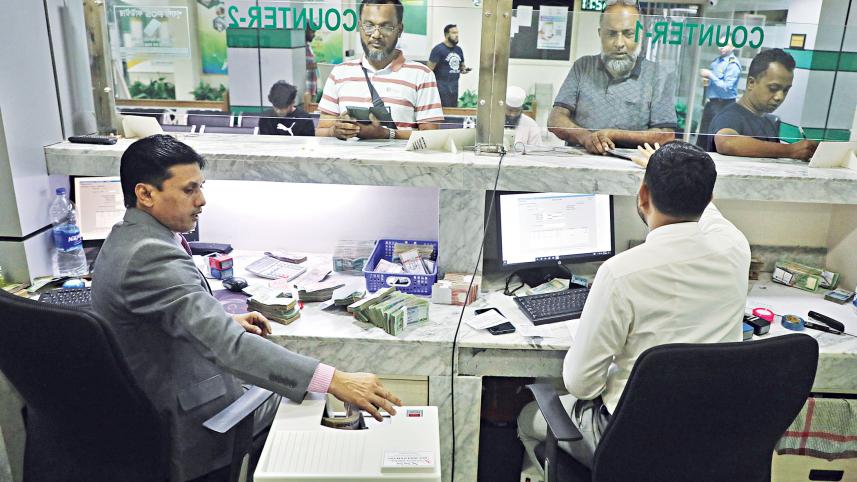
Banks are at the center of Bangladesh’s economic life. They hold savings, give out loans, process payments, and support trade. Without banks, businesses could not grow and people could not manage their money safely.
Bangladesh has made significant progress in expanding its banking system over the past five decades. From a small number of banks at independence in 1971, the country now has over 60 scheduled banks. These banks serve millions of individuals, small businesses, large corporations, and government departments.
The banking sector plays a direct role in finance growth across all industries. It funds factories, supports farmers, finances importers and exporters, and helps the government run infrastructure projects. Mobile banking has brought millions of unbanked citizens into the financial system.
This article explains how the banking sector is driving Bangladesh’s economy. It covers the types of banks, key services, economic contributions, market trends, and the opportunities and challenges ahead.
What Is Banking Economy Bangladesh?
Banking economy refers to how banks and financial institutions support and shape a country’s economic activity. In Bangladesh, banks do much more than store money. They act as the main channel through which money flows across the economy.
Finance growth in Bangladesh means expanding the ability of businesses, individuals, and the government to access and use money productively. Banks enable this by collecting deposits from savers and lending that money to borrowers. This process keeps the economy moving.
Key banking functions in Bangladesh include accepting deposits, giving loans and credit, processing payments, handling foreign exchange, facilitating trade finance, and offering digital financial services.
The Bangladesh Bank is the central bank of the country. It regulates all commercial banks, sets monetary policy, manages foreign currency reserves, and ensures financial stability. All scheduled banks in Bangladesh operate under Bangladesh Bank’s supervision.
History and Background
Bangladesh’s banking history began before independence. During British rule, banks like the Bengal Bank and later the Imperial Bank of India operated in the region. After the partition of British India in 1947, Pakistan took control of banking in the eastern region.
When Bangladesh became independent in 1971, the new government nationalized the major commercial banks. Six state-owned banks were established to provide financial services to the population. These included Sonali Bank, Janata Bank, Agrani Bank, and Rupali Bank.
In the 1980s, the government began allowing private commercial banks to operate. This opened the sector to competition. The Arab Bangladesh Bank (now AB Bank) was one of the first private commercial banks. Others followed through the 1980s and 1990s.
Foreign banks had also been operating in Bangladesh since before independence. Standard Chartered, Habib Bank, and others served corporate clients and trade finance.
In the 2000s, the sector expanded further. New generations of banks focused on technology and retail services. Islamic banking also grew significantly during this period. Banks like Islami Bank Bangladesh Limited became major players in the market.
Mobile financial services arrived in the 2010s. bKash, launched in 2011, changed how ordinary people send and receive money. It became one of the largest mobile money platforms in the world. Other mobile banking services followed.
Current Situation in Bangladesh
As of recent years, Bangladesh’s banking sector includes over 60 scheduled banks. These are divided into state-owned commercial banks, private commercial banks, Islamic banks, foreign commercial banks, and specialized development banks.
The total assets of the banking sector amount to several trillion Bangladeshi taka. Deposits and advances have grown steadily. The sector employs hundreds of thousands of people directly.
The Bangladesh Bank manages monetary policy and oversees bank regulation. It sets the cash reserve ratio, the statutory liquidity ratio, and interest rate guidelines. It also monitors capital adequacy and non-performing loans.
Mobile financial services have expanded rapidly. According to Bangladesh Bank data, there are over 200 million registered mobile banking accounts in Bangladesh. The volume of daily transactions through platforms like bKash, Nagad, and Rocket runs into billions of taka every day.
Digital banking services are growing. Many banks now offer internet banking, mobile apps, and digital payment systems. The government’s push toward a cashless and digital economy is supporting this trend.
Non-performing loans (NPLs) remain a concern. State-owned banks in particular have struggled with high levels of bad debt. This has put pressure on the sector’s financial health.
Despite challenges, the banking sector continues to grow. Credit to the private sector has increased, supporting business expansion across industries including manufacturing, trade, real estate, and services.
Business and Economic Importance
The banking sector is one of the most important pillars of Bangladesh’s economy. Its contributions reach every sector and every region of the country.
Supporting Industry and Manufacturing: Banks provide working capital and term loans to factories. Bangladesh’s garment industry, the country’s largest export sector, depends on trade finance, letters of credit, and working capital loans from banks. Without this financing, factories could not import raw materials or pay workers before export proceeds arrive.
Financing Agriculture: Specialized banks like Bangladesh Krishi Bank and Rajshahi Krishi Unnayan Bank provide loans to farmers at lower interest rates. This supports food production and rural income. According to the World Bank, agriculture still employs a significant share of Bangladesh’s workforce, making agricultural credit a national priority.
Enabling Trade: Import and export trade depends on bank-provided instruments like letters of credit, bank guarantees, and documentary collections. Banks in Bangladesh process billions of dollars in trade transactions every year. This keeps supply chains running.
Supporting Small and Medium Enterprises: Small and medium enterprises (SMEs) are the backbone of the Bangladeshi economy. Banks provide them with loans, overdraft facilities, and business accounts. The SME Foundation Bangladesh works with banks to expand SME financing across the country.
Government Finance: Banks subscribe to government treasury bills and bonds. They help the government fund development projects, pay salaries, and manage public spending. The banking system is central to how the government finances the national budget.
Creating Employment: The banking sector itself is a major employer. Banks hire graduates, IT professionals, economists, lawyers, and many others. Growth in the sector creates jobs directly and indirectly.
Key Components and Types of Banks
State-Owned Commercial Banks
Bangladesh has six state-owned commercial banks. These include Sonali Bank, Janata Bank, Agrani Bank, Rupali Bank, Bangladesh Development Bank, and BASIC Bank. These banks have the largest branch networks and serve government employees, rural communities, and large corporations. They also manage a significant portion of government accounts.
Private Commercial Banks
Private commercial banks are the most dynamic part of the sector. Banks like Dutch-Bangla Bank, BRAC Bank, Eastern Bank, Prime Bank, Southeast Bank, and Dhaka Bank are among the leading names. They serve retail customers, businesses, and corporate clients with a wide range of modern banking products. Private banks have invested heavily in technology and branch expansion.
Islamic Banks
Islamic banking follows Shariah law, which prohibits interest. Instead, Islamic banks use profit-sharing, lease-based, and partnership structures to provide financing. Islami Bank Bangladesh Limited is the largest private bank in Bangladesh by deposits and assets. Other Islamic banks include Al-Arafah Islami Bank, Social Islami Bank, and Shahjalal Islami Bank. Islamic banking has strong public trust and continues to grow.
Foreign Commercial Banks
Several international banks operate in Bangladesh. Standard Chartered Bank, HSBC, Citibank, Commercial Bank of Ceylon, and others serve multinational companies, foreign investors, and trade finance clients. They bring international standards and products to the local market.
Specialized Development Banks
These banks focus on specific sectors. Bangladesh Krishi Bank and Rajshahi Krishi Unnayan Bank lend to agriculture. Bangladesh Development Bank finances industry and infrastructure. These banks carry out government mandates to direct credit to priority sectors.
Mobile Financial Services Providers
Mobile financial services (MFS) providers are not banks in the traditional sense, but they operate under Bangladesh Bank licensing and play a banking-like role for millions of people. bKash (partially owned by BRAC Bank), Nagad (operated by Bangladesh Post Office), Rocket (Dutch-Bangla Bank), and others allow users to send money, pay bills, receive salaries, and make purchases through mobile phones.
Market Trends in Bangladesh
Several important trends are shaping banking economy Bangladesh and finance growth.
Digital Transformation: Banks are investing in mobile apps, internet banking platforms, and automated teller machines. Digital banking reduces the need for branch visits. It speeds up transactions and improves customer experience. This trend is accelerating across all bank types.
Agent Banking: Bangladesh Bank has promoted agent banking to extend financial services to rural and underserved areas. Banks appoint local agents — often small shop owners — to provide basic banking services. This has helped bring millions of previously unbanked people into the formal financial system.
Mobile Money Growth: Mobile financial services continue to grow rapidly. Daily transaction volumes and the number of registered accounts keep rising. The expansion of digital payments, government-to-person transfers, and remittance payouts through mobile platforms is reshaping retail finance.
Green Banking: Bangladesh Bank has encouraged banks to adopt green banking practices. This includes financing renewable energy projects, managing environmental risk in lending decisions, and reducing paper use. Several banks have green finance desks and dedicated climate finance products.
Fintech Integration: Financial technology companies are working with banks to offer new services. Payment gateways, digital wallets, loan origination platforms, and credit scoring tools are being adopted. The collaboration between banks and fintech firms is growing.
Remittance Channeling: Bangladesh receives billions of dollars in remittances every year from workers abroad. Banks and MFS providers compete to attract these inflows. Remittances are a key source of foreign currency and rural income.
Interest Rate Reforms: Bangladesh Bank has adjusted interest rate frameworks to improve the efficiency of credit markets. Market-based interest rate mechanisms are being introduced to replace fixed rate caps.
Opportunities
The banking sector in Bangladesh offers many opportunities for growth and development.
Financial Inclusion: A significant portion of Bangladesh’s population still does not have a formal bank account. Expanding agent banking, mobile banking, and digital accounts can bring these people into the system. Financial inclusion supports household savings, credit access, and economic mobility.
SME Financing: Small businesses remain underserved by formal credit. There is a large opportunity for banks to develop better products for SMEs — particularly women-owned businesses and rural enterprises. The government and development partners actively support SME lending expansion.
Infrastructure Finance: Bangladesh needs large investments in power, roads, ports, and urban infrastructure. Banks and financial institutions can play a bigger role in financing infrastructure through project finance, syndicated loans, and bond markets.
Islamic Finance Expansion: Islamic banking has strong demand and trust among Bangladesh’s Muslim-majority population. There is room to expand Islamic banking products into areas like home finance, insurance (takaful), and capital markets.
Capital Market Development: Bangladesh’s stock market and bond market are relatively underdeveloped compared to the banking sector. Banks can help channel savings into capital markets and support corporate bond issuance, deepening the overall financial system.
Green and Climate Finance: International climate funding is available for developing countries. Bangladeshi banks can access these funds to lend to renewable energy, climate-resilient agriculture, and clean infrastructure projects.
Export Finance: As Bangladesh’s non-garment exports grow — including pharmaceuticals, leather goods, seafood, and IT services — banks have an opportunity to develop specialized trade finance products for these sectors.
Challenges
The banking sector in Bangladesh faces a number of significant challenges.
Non-Performing Loans: High levels of bad loans are a persistent problem, particularly in state-owned banks. Weak credit appraisal, political lending pressure, and poor loan recovery mechanisms have contributed to this issue. NPLs weaken bank balance sheets and reduce their ability to lend.
Corporate Governance: Some banks have faced problems with weak governance, insider lending, and board interference in management decisions. Bangladesh Bank has introduced reforms, but enforcement remains a challenge.
Capital Adequacy: Several banks need to raise additional capital to meet international standards under the Basel III framework. Undercapitalized banks carry higher risk for depositors and the financial system.
Cybersecurity Risks: As banks digitize, they face greater exposure to cyber threats. The Bangladesh Bank heist of 2016, in which hackers stole approximately USD 81 million from the central bank’s reserve account at the US Federal Reserve, was a major wake-up call. Banks must continuously invest in cybersecurity.
Low Financial Literacy: Many Bangladeshi citizens do not fully understand banking products, interest rates, or digital financial services. This limits their ability to benefit from the financial system and makes them vulnerable to fraud.
Concentration Risk: A large share of bank credit goes to a small number of large borrowers and industry groups. This concentration increases systemic risk if these borrowers face difficulties.
Interest Rate Sensitivity: Transitioning to market-based interest rates can be disruptive. Some borrowers may face higher costs, and banks need time to adjust pricing and risk management practices.
Future Outlook in Bangladesh
The future of banking economy Bangladesh looks broadly positive. The sector is growing, technology is advancing, and policy reforms are underway.
Bangladesh Bank has introduced a number of reforms to strengthen the sector. These include tighter rules on large loan exposures, improved provisioning requirements for bad loans, and guidelines for digital banking. The central bank is also working on a comprehensive framework for digital banks — fully online banks with no physical branches.
The government’s Vision 2041 plan aims to make Bangladesh an upper-middle-income country. Banking plays a central role in this plan. Expanding credit, improving financial inclusion, and developing capital markets are all part of the strategy.
According to the IMF, Bangladesh’s economy has shown strong resilience and growth over the past decade. Continued economic expansion will increase demand for banking services. More businesses will need loans. More workers will receive salaries through bank accounts. More households will save and invest.
Digital banking is expected to grow rapidly. Mobile-first banking, real-time payment systems, and open banking frameworks will reshape how people interact with financial institutions. Banks that invest in technology will gain competitive advantages.
Islamic banking will likely continue to gain market share. The growing middle class and increased religious awareness are supporting demand for Shariah-compliant products.
Remittance inflows, which Bangladesh receives in billions of dollars annually through formal banking and MFS channels, will remain a critical economic driver. Banks and MFS providers will compete to offer better rates and faster transfers.
Conclusion
The banking sector is a driving force behind Bangladesh’s economic growth. It connects savers with borrowers, supports trade, funds industry, finances agriculture, and brings financial services to ordinary people across the country.
Bangladesh has built a diverse banking system that includes state-owned banks, private commercial banks, Islamic banks, foreign banks, development banks, and mobile financial services providers. Each type plays a distinct role in the economy.
Technology is changing banking fast. Mobile money, digital accounts, agent banking, and online services are expanding access and reducing costs. The sector still faces challenges — particularly around bad loans, governance, and cybersecurity — but reforms are underway.
For businesses and investors, the banking sector in Bangladesh offers real opportunities. SME lending, infrastructure finance, green banking, and digital financial services are growth areas with strong demand. For ordinary citizens, expanding financial access means better tools to save, borrow, and build a better financial future.
The strength of Bangladesh’s banking sector will be central to the country’s continued economic progress.
Frequently Asked Questions (FAQ)
1. How many banks are there in Bangladesh? Bangladesh has over 60 scheduled banks. These include state-owned commercial banks, private commercial banks, Islamic banks, foreign commercial banks, and specialized development banks. All are regulated by Bangladesh Bank.
2. What is the role of Bangladesh Bank in the economy? Bangladesh Bank is the central bank of Bangladesh. It manages monetary policy, regulates commercial banks, sets interest rate guidelines, manages foreign currency reserves, and works to maintain financial stability in the country.
3. What are mobile financial services in Bangladesh? Mobile financial services (MFS) allow people to send and receive money, pay bills, and access basic financial tools through mobile phones. Major providers include bKash, Nagad, and Rocket. Bangladesh has over 200 million registered MFS accounts.
4. What is Islamic banking in Bangladesh? Islamic banking operates according to Shariah law, which prohibits interest. Instead, it uses profit-sharing and lease-based arrangements. Islami Bank Bangladesh Limited is the largest Islamic bank and one of the biggest banks in the country overall.
5. What are non-performing loans and why are they a problem? Non-performing loans (NPLs) are loans where borrowers have stopped making payments. High NPLs reduce a bank’s profitability and its ability to lend. In Bangladesh, state-owned banks have particularly high NPL ratios, which is an ongoing concern for the sector.
6. How does the banking sector support small businesses in Bangladesh? Banks provide working capital loans, term loans, trade finance, and overdraft facilities to small and medium enterprises (SMEs). The government and organizations like the SME Foundation work with banks to expand credit access for small businesses.
7. What is agent banking in Bangladesh? Agent banking allows banks to offer basic services through local agents — typically small shop owners — in areas without bank branches. It has helped bring rural and underserved populations into the formal banking system.
8. How do banks support Bangladesh’s garment export industry? Banks provide letters of credit, back-to-back LCs, working capital loans, and export financing to garment factories. These financial tools allow factories to import fabric and accessories, pay workers, and fulfill international orders before export payments arrive.
9. What opportunities exist for foreign investors in Bangladesh’s banking sector? Foreign investors can invest in private commercial banks, partner with fintech companies, and access Bangladesh’s growing consumer finance market. Bangladesh Bank regulates foreign ownership stakes in banks. The sector’s growth and digital expansion offer multiple entry points.
10. What is the future of digital banking in Bangladesh? Digital banking is expected to grow rapidly. Bangladesh Bank is developing frameworks for fully online banks. Mobile apps, real-time payment systems, and digital account opening are already growing. Banks investing in technology are positioned to lead the next phase of banking growth in the country.
Published by NOW – Bangladesh Business Magazine. For business, economy, and investment news in Bangladesh, visit www.now.com.co.lc.