

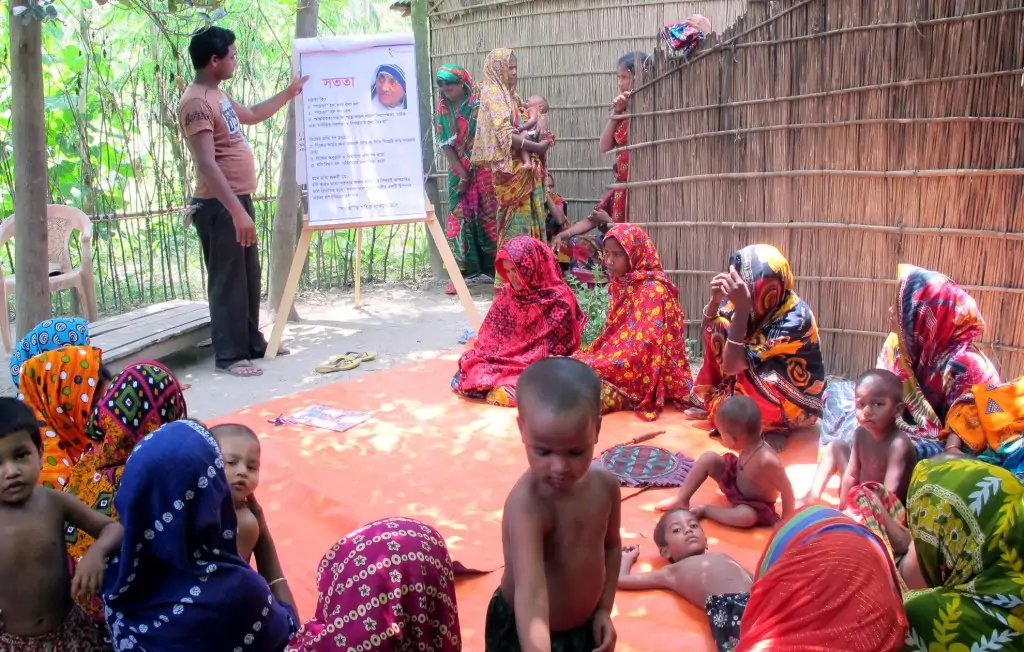
Bangladesh is home to one of the largest and most active non-governmental organization (NGO) sectors in the world. NGOs here do not play a minor supporting role. In many communities — especially rural ones — they are the primary providers of education, skills training, healthcare, and livelihood support.
The country faces real development challenges. Millions of people still lack access to quality education. Youth unemployment and underemployment are persistent problems. Women and marginalized groups face additional barriers to work and learning. The formal government system, though expanding, cannot reach everyone.
This is where NGOs step in. They run schools, literacy programs, vocational training centers, microcredit programs, and job placement services. They serve communities that public institutions and private businesses do not fully reach. Their work builds human capital and supports economic growth across the country.
For Bangladesh, the NGO sector is not just a welfare system. It is a development engine. Programs run by NGOs have contributed to measurable improvements in literacy, female workforce participation, poverty reduction, and access to skills across the country.
This article explains how NGOs are supporting education and employment in Bangladesh. It covers key programs, the groups they serve, their economic importance, and what lies ahead for the sector.
What Is NGO Bangladesh Development and NGO Education?
A non-governmental organization (NGO) is a non-profit group that operates independently from government. NGOs work on social, development, environmental, or humanitarian issues. They are funded through donations, grants, memberships, and in some cases earned income from services.
NGO Bangladesh development refers to the role that NGOs play in driving social and economic progress in Bangladesh. This includes reducing poverty, improving health, expanding education access, building livelihoods, and empowering marginalized communities.
NGO education specifically refers to education programs run or supported by NGOs. These include non-formal primary schools, adult literacy classes, vocational training centers, scholarship programs, and digital learning initiatives. NGO education often serves people who fall outside the formal school system.
In Bangladesh, the NGO sector is large and diverse. It includes some of the world’s most well-known development organizations — including BRAC, which is considered the largest NGO in the world by number of employees and beneficiaries. It also includes thousands of smaller local organizations working in specific districts or communities.
NGOs in Bangladesh are registered with the NGO Affairs Bureau under the Prime Minister’s Office. The Bureau regulates NGOs that receive foreign funding and monitors their programs and financial accounts.
According to the World Bank, Bangladesh’s development model is distinctive partly because of the strong complementary role that NGOs have played alongside government and private sector actors.
History and Background
Bangladesh’s NGO sector has deep roots. It was born out of crisis. After the Liberation War of 1971, the country faced mass displacement, famine, and the destruction of basic infrastructure. Government capacity was very limited. International aid organizations and newly formed local groups stepped in to provide emergency relief and rehabilitation.
From that foundation, a development-focused NGO culture took root. BRAC was founded in 1972 by Sir Fazle Hasan Abed, initially as a relief organization in Sylhet. It quickly evolved into a multi-program development organization focused on poverty reduction, education, and healthcare. The Grameen Bank, founded by Professor Muhammad Yunus in 1983, pioneered microcredit for rural women and later won the Nobel Peace Prize in 2006.
During the 1970s and 1980s, NGOs focused heavily on relief, food security, and basic education. BRAC launched its non-formal primary education program, which eventually enrolled millions of children — mostly girls — who were outside the formal school system. This program was one of the most cost-effective education interventions ever documented globally.
In the 1990s, the sector matured and professionalized. NGOs expanded into vocational training, microfinance, rural health, and women’s empowerment. The government and NGOs began forming more structured partnerships. Bilateral and multilateral donors — including USAID, DFID, the European Union, and UNICEF — channeled large amounts of development funding through NGOs.
By the 2000s, Bangladesh had tens of thousands of registered NGOs. The sector became a significant part of the national economy — employing hundreds of thousands of people and delivering services to millions of households every year.
Current Situation in Bangladesh
Today, Bangladesh has over 2,500 NGOs registered with the NGO Affairs Bureau that receive foreign funding, and many more that operate with domestic funds only. Estimates suggest there are tens of thousands of NGOs and community-based organizations of varying sizes active across the country.
BRAC remains the dominant player. It operates in all districts of Bangladesh and runs programs in education, health, microfinance, skills training, agriculture, legal aid, and climate adaptation. BRAC’s education programs alone have served tens of millions of learners since the 1970s.
The Grameen Bank and its affiliated organizations provide microloans to millions of rural borrowers — the majority of them women. These loans fund small businesses, agriculture, and household income-generating activities.
Other major NGOs include Proshika, ASA (Association for Social Advancement), CARE Bangladesh, Save the Children Bangladesh, World Vision Bangladesh, Oxfam in Bangladesh, and Plan International Bangladesh. Each runs specific programs aligned with their mandates.
Government-NGO collaboration has grown. The government increasingly uses NGOs as implementation partners for development programs funded by international donors. This includes skills training programs under the National Skills Development Authority (NSDA), literacy programs, and health initiatives.
The sector also faces scrutiny. Concerns about transparency, accountability, and the overlap of NGO activities with government programs have led to tighter regulation. The NGO Affairs Bureau has increased monitoring and reporting requirements in recent years.
Business and Economic Importance
The NGO sector in Bangladesh is not only a social force. It has real and measurable economic importance.
Human Capital Formation: NGOs train workers, educate children, and improve health. This directly builds the human capital that businesses and industries need. A more educated, healthier, and more skilled workforce is more productive. Industries from garments to pharmaceuticals benefit from the broader human capital investment that NGOs help create.
Female Workforce Participation: NGOs have been central to increasing women’s participation in Bangladesh’s economy. BRAC’s programs, Grameen Bank’s microcredit, and countless skills training initiatives have helped millions of women enter the workforce, start businesses, and earn independent incomes. Bangladesh’s large female garment workforce — the backbone of its export industry — reflects decades of women’s empowerment work by NGOs and government combined.
Microfinance and Small Business Growth: Microloan programs run by BRAC, Grameen Bank, ASA, and others provide small amounts of credit to low-income borrowers who cannot access formal bank loans. These loans fund small businesses, livestock purchases, cottage industries, and agricultural inputs. Microfinance has supported the growth of millions of small enterprises across rural Bangladesh.
Employment in the NGO Sector Itself: Large NGOs are significant employers. BRAC employs over 100,000 people directly in Bangladesh. Across the entire sector, NGO employment reaches hundreds of thousands. This includes professional staff, field workers, teachers, health workers, and administrative personnel.
Rural Economic Development: NGO programs in agriculture, rural enterprise, and market linkages help increase rural incomes. Higher rural incomes support local trade, small businesses, and consumption — contributing to broader economic activity in non-urban areas.
According to Trading Economics, Bangladesh has seen significant reductions in poverty over the past two decades. Research consistently shows that NGO programs — particularly microfinance and education — have contributed to this decline.
Key Components and Types
Non-Formal Education Programs
Non-formal education programs serve children and adults outside the formal school system. BRAC’s pre-primary and primary schools have provided education to millions of rural children, particularly girls, in villages where formal schools are absent or inaccessible. These schools use locally trained female teachers and simple, low-cost learning materials.
Adult literacy programs teach reading, writing, and basic numeracy to older learners who missed formal schooling. These skills improve economic participation and help adults manage finances, read health information, and engage in civic life.
Vocational and Skills Training
Vocational training programs teach practical, job-ready skills. Programs cover sewing and garment production, electronics repair, construction skills, mobile phone servicing, beauty and cosmetology, cooking, handicrafts, and more. BRAC’s Skills Development Programme trains thousands of people annually in trades with strong employment demand.
Skills training for overseas employment is a growing segment. NGOs help prepare workers for migration to Gulf countries and Southeast Asia. Language training, occupational skills, and rights awareness are all part of these programs.
Microfinance and Enterprise Support
Microfinance programs provide small loans — typically ranging from a few thousand to a few hundred thousand taka — to low-income borrowers. Most borrowers are rural women. Loans fund livestock, small shops, tailoring businesses, vegetable farming, and other income-generating activities.
Some NGOs go beyond lending to provide business development services — including business planning advice, market linkages, and cooperative formation. This helps small entrepreneurs grow beyond subsistence level.
Scholarship and Higher Education Support
Some NGOs provide scholarships for secondary and higher education, particularly for girls and students from low-income families. BRAC’s scholarship programs have supported tens of thousands of students. International NGOs and donor organizations also fund scholarships for university study in Bangladesh and abroad.
Career Counseling and Job Placement
NGO-run career centers provide guidance on job searching, resume writing, interview skills, and career planning. Some NGOs maintain partnerships with employers and facilitate direct job placement for graduates of their training programs.
Women’s Empowerment Programs
Many NGOs run programs specifically designed to expand women’s economic participation. These include group-based savings programs, legal awareness, gender-based violence prevention, leadership training, and support for women entrepreneurs. These programs address social barriers — not just skills gaps — that prevent women from working and earning.
Digital Literacy Programs
NGOs are increasingly adding digital skills to their training portfolios. Basic computer literacy, internet use, mobile banking, and digital communication skills help participants access jobs in the modern economy and manage services like mobile banking and e-commerce.
Market Trends in Bangladesh
Several trends are shaping NGO Bangladesh development and NGO education programs in the current period.
Technology Integration: NGOs are adopting technology to reach more people more efficiently. Mobile apps, digital learning platforms, and remote service delivery have all expanded during and after the COVID-19 period. BRAC has introduced digital tools into its education and health programs.
Private Sector Partnerships: NGOs are increasingly partnering with businesses to link training graduates with employment. Garment factories, IT companies, hospitals, and agribusinesses partner with NGOs to identify and hire trained workers. These partnerships improve employment outcomes and make training more relevant.
Climate Resilience Programs: Bangladesh is highly vulnerable to climate change. NGOs are expanding programs that help communities adapt — including training in climate-resilient agriculture, disaster preparedness, and alternative livelihoods for people in flood-prone or salinity-affected areas.
Youth-Focused Programs: With a large youth population, NGOs are designing more programs specifically for young people. Youth entrepreneurship, digital skills, and leadership development are growing program areas.
Social Enterprise Models: Some NGOs are developing social enterprise models — operating businesses that fund development programs and create employment at the same time. BRAC’s commercial ventures, including BRAC Bank and Aarong (a handicrafts retailer), are examples of this approach.
Donor Shift to Local NGOs: International donors are increasingly channeling funds directly to local NGOs rather than through international organizations. This strengthens local capacity and ownership but also requires local NGOs to improve governance and reporting.
Opportunities
The NGO sector in Bangladesh presents clear opportunities for collaboration, partnership, and development impact.
Corporate Social Responsibility Partnerships: Businesses looking to invest in education and workforce development can partner with NGOs. Companies can fund scholarship programs, vocational training, or digital literacy initiatives aligned with their workforce needs. These partnerships benefit both the company and the community.
Skills for Export Industries: As Bangladesh diversifies its export sectors — into IT, pharmaceuticals, leather goods, and agri-processing — NGOs can develop targeted training programs to supply workers for these industries. Close alignment with industry needs makes training more effective.
Female Workforce Expansion: There is significant room to increase women’s participation in formal employment. NGO programs that address barriers — childcare, safety, mobility, and social norms — alongside skills training can accelerate this. Businesses in sectors that need more female workers can fund such programs.
Rural Digital Access: Expanding digital literacy in rural areas through NGO programs can connect more people to online job markets, e-commerce platforms, and digital financial services. This is both a development opportunity and a commercial one for technology and financial companies.
International Funding Access: Bangladesh has access to substantial international development funding from the UN, World Bank, Asian Development Bank, and bilateral donors. NGOs that develop strong programs, governance, and reporting capacity can access these funds to scale their work.
Vocational Training Accreditation: NGOs that align their training programs with BTEB certification and national qualifications frameworks can improve the value of their graduates’ credentials. This increases employment rates and supports the broader goal of expanding certified skills in Bangladesh.
Challenges
Despite their strong contribution, NGOs in Bangladesh face significant challenges.
Funding Dependency: Most NGOs depend heavily on donor funding — from international organizations, bilateral agencies, and foundations. This creates vulnerability. When donor priorities shift or funding ends, programs that communities depend on may be cut. Developing sustainable income sources is a challenge for many NGOs.
Coordination Gaps: With tens of thousands of NGOs operating in Bangladesh, coordination is difficult. Some areas receive multiple overlapping programs while others are neglected. Duplication wastes resources. Better coordination between NGOs, government, and donors is needed.
Quality Consistency: The quality of NGO programs varies widely. Large, well-resourced NGOs like BRAC have professional staff, monitoring systems, and quality controls. Many smaller NGOs lack these capacities. Inconsistent quality reduces impact and damages the sector’s reputation.
Government Regulation: Tighter regulatory requirements — including reporting, auditing, and fund transfer approvals — have increased administrative burdens on NGOs, particularly those receiving foreign funding. Some organizations have found compliance challenging.
Reaching the Most Marginalized: Even with the large reach of Bangladesh’s NGO sector, the most marginalized groups — people with disabilities, indigenous communities, those in remote areas — remain underserved. Reaching these populations requires additional resources and adapted approaches.
Sustainability of Microcredit: While microfinance has helped millions, it has also faced criticism. Over-indebtedness, high interest rates, and aggressive loan recovery practices have caused hardship for some borrowers. Balancing financial sustainability with borrower protection is an ongoing challenge for microfinance providers.
Future Outlook in Bangladesh
The future of NGOs in Bangladesh will be shaped by how well the sector adapts to a changing environment.
Bangladesh is graduating from Least Developed Country (LDC) status, a transition expected around 2026. This will affect access to certain types of international aid and preferential trade terms. NGOs will need to adapt their funding strategies accordingly, placing more emphasis on domestic resource mobilization and earned income models.
The government’s Vision 2041 plan envisions a developed Bangladesh with strong human capital. NGOs are expected to continue playing a role in achieving this — particularly in reaching communities that government programs do not fully serve. The government has acknowledged the NGO sector’s contribution and included NGO partnerships in several national development frameworks.
Technology will transform how NGOs operate. Digital program delivery, data-driven impact measurement, and digital financial services will all become more central to NGO operations. Organizations that invest in technology and data systems will be more effective and more attractive to funders.
Climate change will drive new program priorities. As displacement, flooding, salinity, and extreme weather become more frequent, NGOs will be called on to provide both emergency support and long-term livelihood adaptation for affected communities.
The role of Bangladeshi NGOs internationally is also growing. BRAC now operates in multiple countries in Africa and Asia, applying the Bangladesh development model in other contexts. This international expansion raises the profile of Bangladesh’s development approach and creates learning opportunities.
Conclusion
NGOs are an essential part of Bangladesh’s development story. They have helped build a more literate, skilled, and economically active population. They have reached communities that government and market alone could not serve. And they have demonstrated that effective development programs can be designed and run at scale.
From BRAC’s non-formal schools and Grameen Bank’s microloans to thousands of smaller organizations running local training programs, the NGO sector in Bangladesh has created real and lasting change. The evidence is visible in rising literacy rates, increased female workforce participation, and declining poverty.
Challenges are real — funding dependency, quality variation, coordination gaps, and regulatory complexity. But the sector’s resilience and adaptability have repeatedly demonstrated its capacity to overcome obstacles.
For businesses and investors, partnership with the NGO sector offers a way to invest in workforce development, community resilience, and social good. For policymakers, NGOs remain indispensable partners in reaching development goals. For ordinary Bangladeshis, NGO programs have meant education, income, and opportunity.
The NGO sector is not a temporary solution. It is a permanent and important part of how Bangladesh develops its people and its economy.
Frequently Asked Questions (FAQ)
1. What is the role of NGOs in Bangladesh’s development? NGOs in Bangladesh provide education, skills training, healthcare, microfinance, and livelihood support — particularly to low-income, rural, and marginalized communities. They complement government services and have contributed significantly to Bangladesh’s progress in poverty reduction, literacy, and health outcomes.
2. Which is the largest NGO in Bangladesh? BRAC is considered the largest NGO in Bangladesh and one of the largest in the world. It operates across all districts of Bangladesh and runs programs in education, health, microfinance, skills training, and more. It employs over 100,000 people in Bangladesh.
3. What is the Grameen Bank and what does it do? The Grameen Bank is a microfinance organization founded by Professor Muhammad Yunus in 1983. It provides small loans to rural borrowers — mostly women — to fund income-generating activities. It won the Nobel Peace Prize in 2006 and pioneered the global microfinance movement.
4. How do NGOs support education in Bangladesh? NGOs run non-formal primary schools, adult literacy programs, vocational training centers, scholarship programs, and digital literacy courses. BRAC’s non-formal education program has served millions of learners, particularly girls in rural areas, since the 1970s.
5. How do NGOs support employment in Bangladesh? NGOs provide vocational training in trades like garment production, electronics, construction, and IT. They offer career counseling, job placement services, microloans for small businesses, and programs that prepare workers for overseas employment. They also run enterprise development support for small business owners.
6. How are NGOs regulated in Bangladesh? NGOs receiving foreign funding are registered with and regulated by the NGO Affairs Bureau under the Prime Minister’s Office. The Bureau approves fund transfers, monitors programs, and requires regular reporting. Domestic NGOs may also register with other government bodies depending on their activities.
7. What is the economic size of Bangladesh’s NGO sector? The NGO sector is large. BRAC alone employs over 100,000 people. Across the entire sector, employment reaches hundreds of thousands. Microfinance portfolios amount to billions of taka. The sector’s economic footprint — through employment, loan disbursements, and service delivery — is significant.
8. How can businesses partner with NGOs in Bangladesh? Businesses can fund scholarship programs, vocational training, and digital literacy initiatives. They can partner with NGOs to identify and hire trained workers. Corporate social responsibility programs can be channeled through established NGOs with proven program delivery capacity.
9. What challenges do NGOs face in Bangladesh? Key challenges include dependence on donor funding, wide variation in program quality, coordination gaps between organizations, increasing regulatory requirements, and the difficulty of reaching the most marginalized populations in remote areas.
10. What is the future of the NGO sector in Bangladesh? As Bangladesh graduates from Least Developed Country status, NGOs will need to adapt to reduced international aid. They will rely more on domestic funding, social enterprise income, and government partnerships. Technology, climate programs, and youth employment will be growing focus areas. The sector will remain important to Bangladesh’s development goals through Vision 2041.