

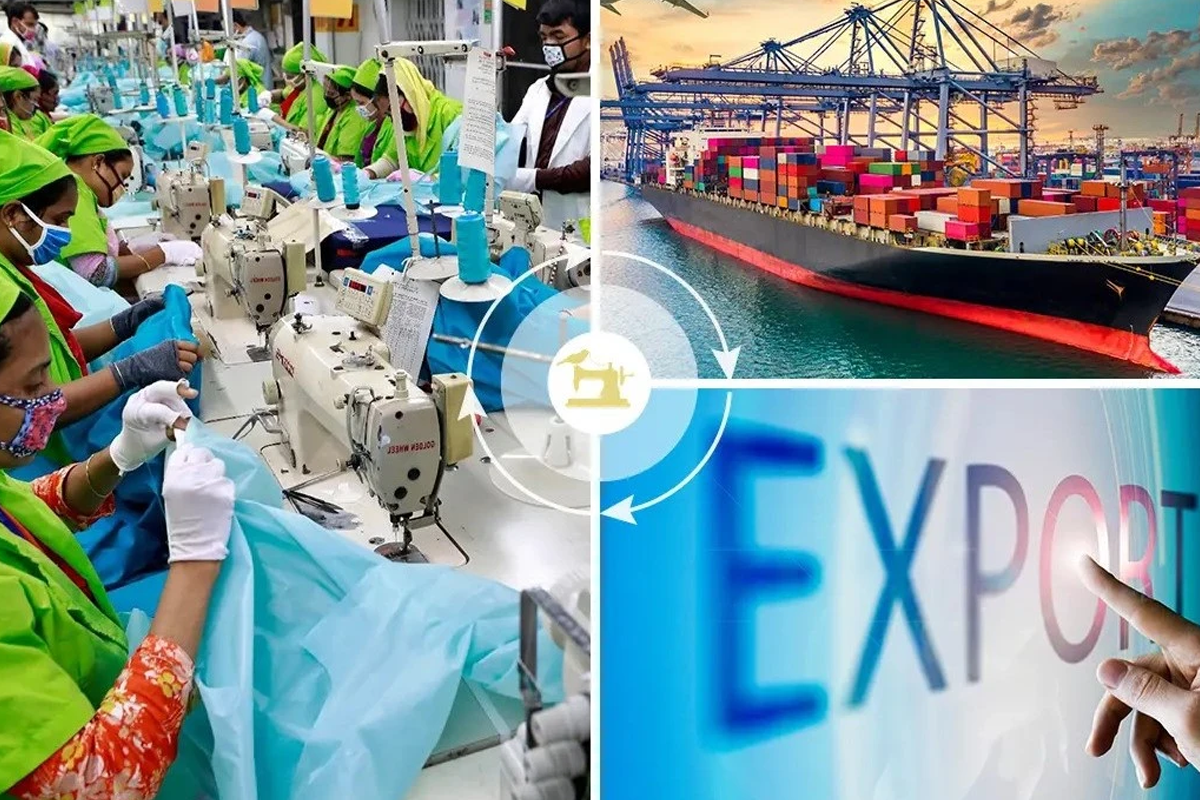
The ready-made garments (RMG) industry is the most important manufacturing sector in Bangladesh. It accounts for over 80 percent of total export earnings and employs approximately 4 million workers directly. The sector has transformed Bangladesh from an agricultural economy to a major global apparel manufacturing hub over the past four decades.
The future of the garments industry in Bangladesh depends on how well manufacturers adapt to changing global market demands. International buyers increasingly require sustainable production, ethical labor practices, faster delivery times, and higher quality products. At the same time, competing countries like Vietnam, India, and Ethiopia are expanding their garment manufacturing capabilities.
Understanding the future direction of this industry matters for business owners, workers, policymakers, and the broader Bangladesh economy. The sector’s continued success will determine employment levels, foreign currency availability, and national economic growth for years to come.
What is RMG Industry Bangladesh, Textile Export Bangladesh?
The RMG industry Bangladesh refers to the ready-made garments manufacturing sector that produces finished clothing items for export to international markets. These products include shirts, trousers, dresses, jackets, sweaters, and various other apparel items. The term “ready-made” means the garments are produced in standard sizes for retail sale, not custom-made for individual customers.
Textile export Bangladesh encompasses the broader fabric and clothing export sector. This includes finished garments, fabric materials, yarn, and other textile products sold to foreign buyers. The garments sector represents the largest portion of textile exports.
Bangladesh specializes in cotton-based casual wear, knitwear, and woven garments. Major products include t-shirts, polo shirts, casual trousers, denim jeans, sweaters, and basic fashion items. The industry serves global brands and retailers primarily in Europe, North America, and increasingly in Asian markets.
According to the Bangladesh Garment Manufacturers and Exporters Association, the sector includes over 4,000 factories employing millions of workers, making it one of the world’s largest garment manufacturing bases.
History or Background in Bangladesh
The Bangladesh garments industry began in the late 1970s when the first export-oriented factories opened with foreign technical assistance. Early manufacturers received support from South Korean companies that provided training, machinery, and market connections. The industry grew slowly through the 1980s as Bangladesh developed basic manufacturing capabilities.
The Multi-Fibre Arrangement (MFA), an international trade agreement that regulated textile exports through quotas, helped Bangladesh gain market access during the 1980s and 1990s. The country received quota allocations that allowed garment exports to major Western markets. This protected access encouraged investment in factories and worker training.
Growth accelerated through the 1990s as more entrepreneurs established factories and international buyers recognized Bangladesh as a reliable low-cost manufacturing location. The industry expanded beyond basic items to more complex products including jackets, denim products, and fashion garments.
The MFA ended in 2005, removing quota protections and creating an open global market. Many industry observers predicted Bangladesh would lose competitiveness, but the opposite occurred. The sector continued growing rapidly due to competitive labor costs, improving quality, and increasing production capacity.
The Rana Plaza factory collapse in 2013, which killed over 1,100 workers, marked a turning point for safety and compliance standards. This tragedy prompted major reforms in building safety, fire protection, and worker welfare. International initiatives like the Accord on Fire and Building Safety helped improve factory conditions significantly.
Current Situation in Bangladesh
As of 2024, the RMG industry Bangladesh remains the backbone of the national economy. Export earnings from garments exceed 35 billion US dollars annually, though exact figures fluctuate with global demand and currency exchange rates. The sector provides direct employment to approximately 4 million workers, with women comprising about 60 percent of the workforce.
Major manufacturing zones include Dhaka, Gazipur, Narayanganj, Chittagong, and increasingly areas outside the main cities as infrastructure improves. Factory sizes range from small units with 100 workers to large facilities employing 5,000 or more people.
Current production capabilities cover a wide range of products. Knitwear factories produce t-shirts, polo shirts, and casual wear. Woven garment facilities make shirts, trousers, and formal wear. Sweater factories operate particularly in Narayanganj. Denim production has expanded significantly with modern washing and finishing facilities.
The industry faces several immediate challenges including rising wages, higher energy costs, and increased compliance requirements. Competition from other manufacturing countries has intensified. Global economic uncertainties affect buyer orders and payment terms.
Many factories have invested in upgrading machinery, improving efficiency, and obtaining international certifications. Green factories with environmentally friendly operations have increased, positioning Bangladesh as a leader in sustainable garment manufacturing according to Leadership in Energy and Environmental Design standards.
Business or Economic Importance
The garments industry contributes approximately 12 to 15 percent of Bangladesh GDP directly and supports many related sectors indirectly. Its economic importance extends far beyond export earnings alone.
Employment Creation: The sector provides jobs for millions of workers, many from rural areas and low-income families. For many women, garment factory work offers the first opportunity for formal employment and independent income. Supporting industries including packaging, transportation, and services create additional jobs.
Foreign Exchange Earnings: Garment exports generate the majority of foreign currency that Bangladesh uses to import essential goods like petroleum, machinery, and raw materials. This supports overall economic stability and import capacity.
Poverty Reduction: Steady employment in garments factories has helped millions of families escape poverty. Workers send remittances to rural areas, supporting agriculture and local economies throughout the country.
Industrial Development: The garments sector has driven infrastructure improvements including industrial zones, port facilities, and transportation networks. It has created a business culture and management expertise that benefits other sectors.
Backward Linkage Growth: The industry supports local textile mills, fabric manufacturers, accessory suppliers, and other input providers. This creates a broader industrial ecosystem beyond final garment assembly.
Investment Attraction: Success in garments manufacturing has positioned Bangladesh as an emerging manufacturing destination, attracting interest in other sectors like electronics, footwear, and light engineering.
Key Components or Types
The RMG industry includes several distinct segments and components:
Knitwear Sector: This produces garments made from knitted fabric including t-shirts, polo shirts, tank tops, underwear, and casual sportswear. Knitwear accounts for a large portion of total exports. Production is vertically integrated with many factories producing their own fabric.
Woven Garments: These factories make clothing from woven fabric including formal shirts, trousers, jackets, and dresses. Woven production typically involves more complex processes and higher skill requirements compared to basic knitwear.
Denim Products: Specialized facilities produce denim jeans, jackets, and related items. This segment requires significant water and chemical processing for washing and finishing. Modern denim factories invest heavily in environmental compliance.
Sweaters: Concentrated mainly in Narayanganj district, sweater manufacturing operates seasonally with peak production for winter markets. This segment faces particular competition from Chinese manufacturers.
Technical Textiles: Emerging production of functional garments including workwear, protective clothing, and performance sportswear. This higher-value segment requires advanced capabilities but offers better profit margins.
Accessories and Trims: Local manufacturers produce buttons, zippers, labels, packaging, and other components. Developing strong backward linkages reduces import dependence and improves cost competitiveness.
Fabric Production: Textile mills supply fabric to garment factories. Expanding local fabric capacity reduces reliance on imported textiles from China and India.
Market Trends in Bangladesh
Several significant trends are reshaping the garments industry:
Automation and Technology: Factories are gradually introducing automated cutting machines, sewing equipment, and finishing systems. While full automation remains limited due to labor cost advantages, selective mechanization improves efficiency and quality. Digital pattern-making and production planning systems are becoming more common.
Sustainability Focus: International buyers increasingly require environmentally responsible production. Bangladesh factories are investing in green buildings, solar power, water recycling, and cleaner production methods. The country has become a global leader in green garment factories certified by international standards.
Compliance and Certification: After the Rana Plaza tragedy, safety standards have improved dramatically. Factories obtain various certifications including LEED, WRAP, BSCI, and buyer-specific compliance approvals. This increases costs but improves reputation and access to premium buyers.
Product Diversification: Manufacturers are moving beyond basic items to more complex products with higher value. This includes fashion garments, technical textiles, lingerie, activewear, and children’s clothing. Diversification reduces dependence on commodity products with thin margins.
Fast Fashion Adaptation: The industry is developing capabilities to respond quickly to changing fashion trends with shorter lead times. This requires better supply chain coordination and flexible production systems.
Man-Made Fiber Products: While cotton products dominate, production of polyester, viscose, and blended fiber garments is growing. This addresses market segments where synthetic fabrics are preferred.
Regional Market Development: Beyond traditional European and American markets, exports to Japan, Australia, and other Asian countries are increasing. Some manufacturers are exploring domestic market opportunities as local purchasing power grows.
Opportunities
The future presents multiple opportunities for growth and development:
Market Share Growth: As global apparel demand increases and some competing countries face political or economic challenges, Bangladesh can capture larger market shares. The country’s reputation for reliable delivery and competitive pricing supports this expansion.
Higher Value Products: Moving up the value chain into more complex garments, fashion items, and technical products increases profit margins. Building design capabilities and working directly with brands creates additional value.
Backward Integration: Expanding local fabric, yarn, and accessory production reduces import dependence, improves lead times, and increases overall competitiveness. Government incentives support backward linkage development.
New Markets: Trade agreements and market access initiatives can open additional export destinations. African, South American, and Asian markets offer growth potential beyond traditional Western buyers.
Sustainability Leadership: Bangladesh’s position as a leader in green manufacturing can attract environmentally conscious brands willing to pay premium prices for sustainable production.
Skill Development: Investing in worker training, technical education, and management development creates a more capable workforce. This supports quality improvement and productivity growth.
Government Support: Authorities provide various incentives including cash incentives for exports, bonded warehouse facilities, infrastructure development in export processing zones, and diplomatic support for market access.
Technology Adoption: Embracing digital technologies, automated systems, and advanced manufacturing processes can significantly improve efficiency even while maintaining employment levels in assembly operations.
Challenges
The industry faces substantial challenges that will influence its future trajectory:
Rising Labor Costs: Worker wages have increased significantly over the past decade in response to worker demands and government minimum wage adjustments. While wages remain lower than many competing countries, the gap is narrowing. This reduces cost advantages that historically drove business to Bangladesh.
Energy Supply Issues: Unreliable electricity supply and high energy costs affect production efficiency. Frequent power outages force factories to operate expensive generators. Natural gas shortages limit industrial operations during peak demand periods.
Infrastructure Limitations: Port congestion, transportation bottlenecks, and inadequate roads increase logistics costs and delivery times. Poor infrastructure makes it difficult to meet fast fashion requirements for quick turnaround.
Political and Labor Unrest: Periodic political protests, strikes, and factory-level labor disputes disrupt production. International buyers worry about reliability when political instability occurs.
Competition Intensification: Vietnam has emerged as a major competitor with better infrastructure and trade agreements. Ethiopia, Myanmar, and other countries offer even lower wages. India and China compete in higher-value segments.
Trade Policy Uncertainty: Changes to preferential trade access, tariff structures, or trade agreements can significantly impact competitiveness. Bangladesh must negotiate favorable terms with major markets.
Environmental Compliance Costs: Meeting increasingly strict environmental standards requires substantial investment in treatment facilities, cleaner technologies, and monitoring systems. Smaller factories struggle to afford these improvements.
Skill Shortages: The industry lacks sufficient technical specialists, designers, merchandisers, and middle managers. Expanding into higher-value products requires capabilities that current workforce generally lacks.
Lead Time Pressure: Buyers demand faster delivery as fashion cycles accelerate. Bangladesh’s geographic distance from fabric sources and final markets creates inherent lead time disadvantages compared to regional competitors.
Currency Fluctuation: Export earnings in US dollars must be converted to taka for local expenses. Currency volatility affects profitability and planning.
Future Outlook in Bangladesh
The next decade will determine whether Bangladesh maintains its position as a top garment manufacturing destination or loses ground to emerging competitors.
Short Term (1-3 years): The industry will focus on recovering from recent global economic uncertainties and adapting to post-pandemic buying patterns. Factories will continue investing in compliance, efficiency, and sustainability to meet buyer requirements. Competition for orders will intensify as global demand fluctuates.
Medium Term (3-7 years): Technology adoption will accelerate with more automated processes in cutting, finishing, and material handling. Product mix will shift toward higher-value items. Backward linkages will strengthen as local textile capacity expands. Training programs will develop more skilled workers and managers.
Long Term (7-15 years): The industry’s future depends on successfully moving up the value chain while maintaining cost competitiveness. This requires balancing automation with employment generation, developing design and branding capabilities, and building strong positions in premium market segments.
Policy Priorities: Government must invest in infrastructure including ports, power generation, transportation networks, and industrial zones. Trade negotiations should secure favorable access to major markets. Education and training systems need alignment with industry skill requirements.
Industry Transformation: The sector will likely consolidate with fewer, larger, more capable factories replacing numerous small units. Vertical integration will increase. Factories may specialize in specific product categories rather than trying to produce everything.
Employment Implications: While total factory employment may grow slowly or stabilize, productivity per worker will increase. The workforce will need higher skills and technical knowledge. Supporting sectors will create additional employment opportunities.
Sustainability Imperative: Environmental and social compliance will become non-negotiable requirements rather than optional extras. Factories that cannot meet these standards will lose buyer access.
Regional Diversification: Manufacturing may spread to more locations beyond Dhaka and Chittagong as infrastructure improves in other regions. This can reduce congestion and lower operating costs.
Experts from organizations like the World Bank emphasize that maintaining competitiveness requires continuous improvement in productivity, quality, and capabilities rather than relying on low wages alone.
Conclusion
The garments industry has been the foundation of Bangladesh’s economic transformation over four decades. Its future remains promising but not guaranteed. Success requires adaptation to changing global market conditions, continuous investment in capabilities, and addressing fundamental challenges in infrastructure, skills, and competitiveness.
The industry cannot compete indefinitely on low labor costs alone as wages rise and other countries offer similar advantages. Moving toward higher-value products, sustainable manufacturing, technological efficiency, and stronger backward linkages provides the path forward.
All stakeholders including factory owners, workers, government authorities, international buyers, and financial institutions must work together to support the industry’s evolution. The sector’s continued strength will determine employment for millions of families and economic stability for Bangladesh.
With appropriate policies, investments, and strategies, the RMG industry Bangladesh can maintain its global position and continue driving economic growth for the next generation. The textile export Bangladesh success story can extend well into the future if the industry adapts effectively to emerging challenges and opportunities.
FAQ
1. What makes Bangladesh competitive in garments manufacturing?
Bangladesh offers competitive labor costs, large-scale production capacity, established supply chains, improving compliance standards, and preferential trade access to major markets. The concentration of factories and supporting services creates efficiency advantages.
2. How will automation affect garments factory employment?
Automation will gradually increase in specific processes like cutting and finishing, but sewing operations will remain largely manual for years due to the complexity of handling fabric and the availability of cost-effective labor. Employment may shift toward higher-skill positions.
3. What is the difference between knitwear and woven garments?
Knitwear uses knitted fabric that stretches and is typically used for casual items like t-shirts. Woven garments use interlaced threads creating less stretchy fabric for formal items like dress shirts. Production processes and machinery differ significantly between the two.
4. Can Bangladesh compete with lower-wage countries like Ethiopia?
Bangladesh maintains advantages in production scale, established infrastructure, experienced workforce, supply chain networks, and reliability. While wage costs are higher than some African countries, overall competitiveness depends on many factors beyond labor costs alone.
5. What are green garment factories?
Green factories meet environmental standards for energy efficiency, water conservation, waste management, and sustainable operations. They typically have LEED or similar certifications. Bangladesh has become a global leader in green garment factory construction.
6. Why do international buyers source from Bangladesh?
Buyers choose Bangladesh for large-scale production capacity, competitive pricing, improving quality standards, reliable delivery, and growing compliance with ethical and environmental requirements. The country can handle very large orders that smaller countries cannot manage.
7. What is backward linkage in the garments industry?
Backward linkage refers to developing local suppliers of inputs needed for garment production including fabric, yarn, accessories, and chemicals. Strong backward linkages reduce import dependence, lower costs, and improve delivery speed.
8. How does the garments industry affect rural Bangladesh?
Factory workers often come from rural areas, sending earnings back to support families and local economies. This transfers wealth from urban manufacturing to rural communities, supporting agriculture and local businesses. It also provides employment alternatives to farming.
9. What role does government play in supporting the industry?
Government provides export incentives, develops industrial infrastructure, negotiates trade agreements, supports skill training programs, and facilitates access to utilities and services. Regulatory frameworks for labor and environment also influence industry operations.
10. What products will drive future growth?
Growth opportunities exist in technical textiles, activewear, higher-quality fashion items, man-made fiber products, and specialized categories like children’s wear and lingerie. Moving beyond basic commodity garments increases value and profitability.