
Bangladesh is widely recognised as one of the world’s leading exporters of ready-made garments. But two other sectors — leather goods and handicrafts — also make important contributions to the national economy. These industries create jobs for artisans and factory workers, generate foreign exchange, and carry forward the cultural heritage of Bangladesh’s craft traditions.
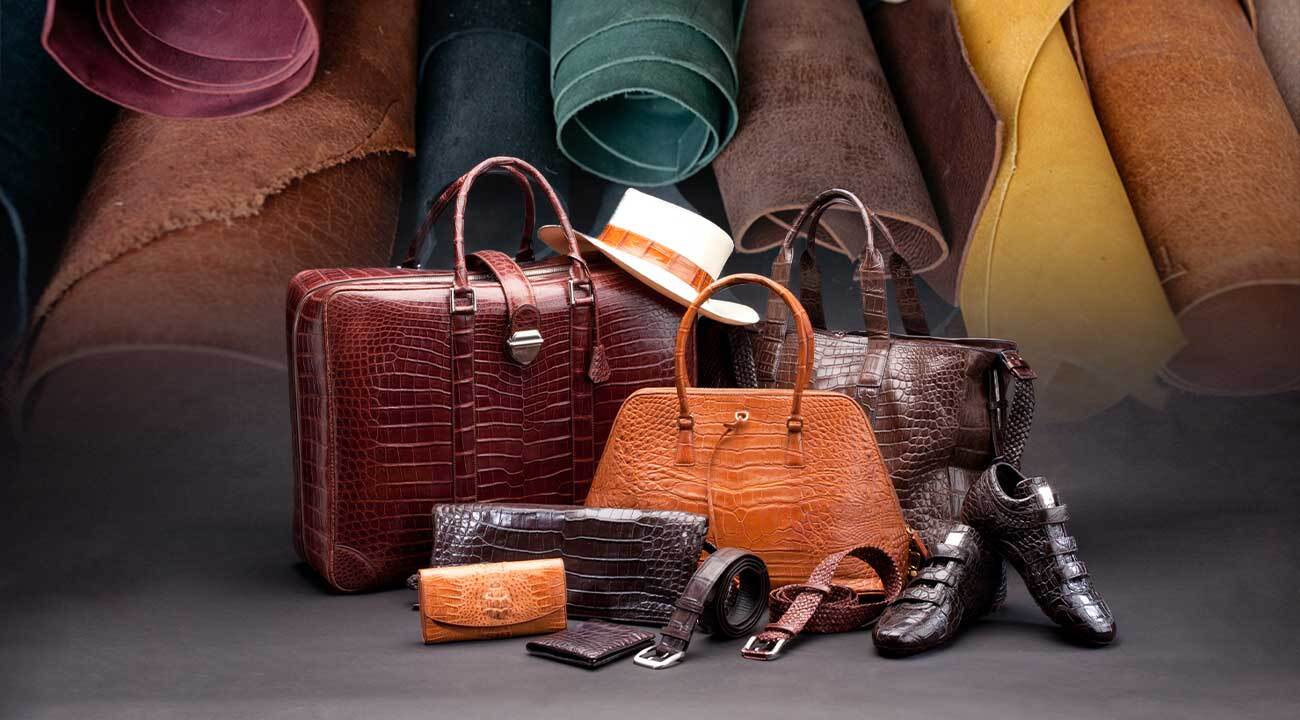
The leather sector in Bangladesh processes hides and skins into finished leather and manufactures products such as shoes, bags, wallets, belts, and gloves. These goods are sold in domestic markets and exported to buyers in Europe, North America, and Asia. Bangladesh’s large cattle and livestock population provides a steady supply of raw hides, giving the country a natural advantage in leather production.
Handicrafts cover a wide range of traditional handmade products — woven textiles, pottery, embroidery, bamboo and cane goods, brass and bell-metal items, wooden crafts, and nakshi kantha, the traditional Bangladeshi embroidered quilt. These products reflect centuries of artisan skill and cultural practice. They are sold in local markets, to tourists, and increasingly to buyers in international markets who value handmade and culturally distinct goods.
This article explains how leather goods and handicrafts contribute to Bangladesh’s economy, who produces them, where they are sold, and what the future holds for both sectors.
What Are the Leather Industry and Handicrafts Export Sectors in Bangladesh?
The leather industry in Bangladesh consists of two main activities. The first is tanning — the process of treating raw animal hides to produce finished leather. The second is leather goods manufacturing — using finished leather to make products such as footwear, bags, accessories, and clothing. Both activities take place within Bangladesh, and the products are sold domestically and exported.
Handicrafts are handmade goods produced using traditional skills and locally available materials. In Bangladesh, the term covers a diverse range of products made by artisans across the country. These include woven fabrics made on handlooms, embroidered textiles, pottery and ceramics, bamboo and cane furniture and accessories, brass and bell-metal decorative items, wooden carvings, and traditional quilts and textile art.
Both sectors have important social dimensions alongside their economic role. The leather industry provides factory employment in urban areas. Handicraft production supports rural artisans — including a large number of women — who may have limited access to other forms of formal employment. Both sectors carry forward traditional skills and knowledge that are part of Bangladesh’s cultural identity.
The Export Promotion Bureau of Bangladesh tracks export data for both sectors and works to promote Bangladeshi leather goods and handicrafts in international markets. The Bangladesh Small and Cottage Industries Corporation (BSCIC) supports small producers in both sectors with training, infrastructure, and market development.
History and Background of Leather and Handicraft Industries in Bangladesh
Leather working and craft production have deep roots in Bangladesh’s history. Before industrialisation, artisans producing leather goods, woven textiles, pottery, and metalwork were essential parts of local economies. Villages across the Bengal delta had their own craft traditions, and the products of skilled artisans were traded across the subcontinent.
During the British colonial period, some traditional industries declined as machine-made imported goods replaced handmade local products. However, many craft traditions survived, particularly in rural areas where the skills were passed from generation to generation and the products continued to meet local needs.
After Bangladesh’s independence in 1971, the government recognised both the leather and handicraft sectors as important parts of the economy. The leather tanning industry, centred in Dhaka’s Hazaribagh area, grew significantly through the 1970s and 1980s. Tanneries processed cattle hides — available in large quantities from Bangladesh’s agricultural economy — and produced finished leather for export and domestic use.
Handicraft export promotion began in earnest in the 1970s. Organisations including Aarong — established by BRAC in 1978 — played a pioneering role in creating market access for rural artisans, particularly women. Aarong developed supply networks connecting producers in villages with buyers in cities and international markets, demonstrating a commercial model for handicraft distribution that others later followed.
During the 1990s and 2000s, the leather goods manufacturing sector expanded. Companies began producing finished leather products — shoes, bags, and accessories — rather than only exporting raw or semi-processed leather. This shift up the value chain allowed Bangladesh to earn more from each hide it processed.
Current Situation of Leather and Handicraft Sectors in Bangladesh
Today, Bangladesh’s leather sector is in a period of transition. For decades, the tanning industry was concentrated in Hazaribagh in Dhaka, where hundreds of tanneries operated in crowded conditions with inadequate waste treatment. Environmental concerns and the need for better infrastructure prompted the government to develop the Leather Industrial City in Savar, on the outskirts of Dhaka.
The Leather Industrial City is a purpose-built industrial estate designed to house tanneries and leather goods manufacturers in a planned environment with common waste treatment facilities. The relocation of tanneries from Hazaribagh to Savar has been a major ongoing project, aimed at improving the environmental performance of the industry and helping it meet the compliance standards required by international buyers.
The leather goods manufacturing sector has grown and diversified. Bangladeshi companies now produce a range of finished products for export, including formal and casual shoes, sports footwear, handbags, backpacks, belts, wallets, and protective gloves. Some companies have established supply relationships with international footwear and accessories brands.
The handicraft sector remains large and diverse. It is estimated to support the livelihoods of millions of artisan households across Bangladesh. Producers are spread across the country, with particular concentrations of specific craft types in certain regions. Tangail and Rajshahi are known for silk and handloom weaving. Rajshahi and Khulna produce cane and bamboo goods. Comilla is associated with nakshi kantha embroidery. Bogra and other areas are known for brass and bell-metal products.
Both sectors benefit from an increasing focus on ethical sourcing and handmade goods among international consumers. Buyers in Europe and North America are showing greater interest in products that are made by skilled artisans, that use natural materials, and that can demonstrate responsible production practices.
Economic Importance of Leather and Handicraft Industries
The leather sector contributes to Bangladesh’s economy through export earnings, employment, and the utilisation of a natural raw material — cattle hides — that is a byproduct of the country’s large agricultural and livestock sector. Without an active tanning and leather goods industry, these hides would have less economic value.
Leather goods are one of Bangladesh’s priority export sectors. The government has identified leather and leather goods as a key area for export diversification, seeking to reduce the economy’s dependence on garment exports alone. Success in growing leather exports contributes to a more resilient and balanced export base.
The handicraft sector supports employment at a very local level. Artisans who produce handmade goods often work in their own homes or in small workshops in their villages. This decentralised employment model brings income to rural areas that might otherwise have limited economic opportunity. For women in particular, handicraft production can provide income without requiring migration to urban factory areas.
According to the World Bank, rural employment and income diversification are important priorities for Bangladesh’s continued development. Handicraft production, which provides flexible work to millions of rural household members, contributes directly to these goals.
Both sectors also contribute to tourism. Visitors to Bangladesh purchase leather goods and handicrafts as gifts and souvenirs. Cultural tourism that showcases traditional craft practices can attract visitors and generate income for artisan communities. International interest in authentic, handmade cultural products is growing, creating export and tourism opportunities simultaneously.
Key Components of the Leather and Handicraft Sectors
1. Leather Tanning
Tanning is the process of converting raw animal hides into durable leather. Raw hides decay quickly without treatment. Tanning uses chemical and biological processes to preserve the hide and give it the properties — flexibility, durability, water resistance — that make it useful for manufacturing products.
Bangladesh has a large supply of raw hides available from the country’s cattle population. Cattle are slaughtered in large numbers during the Eid al-Adha festival each year, providing a significant seasonal influx of raw hides. Hides are also collected from abattoirs and livestock markets throughout the year.
Tanneries in Bangladesh produce both wet-blue leather — leather that has been through the initial tanning stage and is ready for further processing — and finished leather, which has been treated, dyed, and prepared for use in manufacturing. Finished leather commands higher prices and generates more value per hide than wet-blue.
2. Leather Footwear
Footwear is one of the most important categories of leather goods manufactured and exported from Bangladesh. The country produces a range of shoe types, including formal dress shoes, casual footwear, sandals, boots, and sports shoes. Products are made for both men and women.
Bangladesh’s shoe manufacturers range from small workshops producing handmade shoes for local markets to medium and large factories producing goods to the specifications of international brands. Some factories are certified to meet the quality and ethical sourcing standards required by premium international footwear companies.
The domestic footwear market is also significant. Bangladeshi consumers buy a large volume of shoes produced by local manufacturers. Brands like Apex, Bata, and Bay Emporium are well-established in the domestic market and also export products internationally.
3. Leather Bags and Accessories
Leather bags, belts, wallets, purses, and accessories are another important category of Bangladeshi leather goods production. These products are made for both domestic consumers and international export buyers.
Bangladesh’s leather accessories manufacturers supply products to international fashion brands and retailers. Handbags, backpacks, travel bags, and business bags are among the items exported. Some manufacturers also produce leather goods under their own brand names, though most production is done to the specifications provided by international buyers.
The quality of Bangladeshi leather goods has improved significantly over the past decade as manufacturers have invested in better machinery, quality control systems, and skilled workforce development. This improvement is important for competing with leather goods producers in other countries including India, Vietnam, and China.
4. Handloom and Woven Textiles
Handloom weaving is one of the oldest and most widespread craft traditions in Bangladesh. Weavers use traditional wooden looms to produce cotton and silk fabrics with distinctive patterns and textures. These fabrics are used to make sarees, salwar kameez fabric, lungis, and other garments, as well as home textiles such as table runners and bed covers.
The handloom sector supports hundreds of thousands of weavers across Bangladesh, particularly in districts including Tangail, Pabna, Sirajganj, Rajshahi, and Comilla. Many weavers are self-employed and work from their homes, selling their products to traders who supply urban markets and export buyers.
Tangail sarees are among the most famous products of Bangladesh’s handloom tradition. Known for their fine weave and intricate patterns, they are valued by Bangladeshi women across the country and have a following among buyers in India and the Bangladeshi diaspora worldwide.
5. Nakshi Kantha and Embroidery
Nakshi kantha is a traditional form of embroidery practised by women in Bangladesh for generations. It involves stitching intricate patterns onto layers of old cloth to create quilts, wall hangings, cushion covers, and other textile items. Each piece is handmade, and the patterns often carry symbolic or narrative meaning.
Nakshi kantha products have found significant markets among international buyers who value handmade textile art. Organisations like Aarong and other fair trade and social enterprise retailers have helped connect nakshi kantha producers with buyers in Europe, North America, and beyond.
Other forms of embroidery and needlework are also practised across Bangladesh. These skills are predominantly held by women in rural areas, and supporting the market for embroidered products provides income and economic agency to these artisans.
6. Bamboo, Cane, and Natural Fibre Crafts
Bangladesh has abundant bamboo and cane resources. These materials are used by artisans to make furniture, baskets, trays, boxes, screens, and decorative items. Bamboo and cane craft production is widespread in rural areas, particularly in the southern and south-western regions of the country.
These products appeal to consumers who prefer natural, sustainable materials. International interest in eco-friendly and naturally sourced home products creates export opportunities for Bangladesh’s bamboo and cane craft producers. Some fair trade exporters specialise in connecting these artisans with buyers in Europe and North America who value sustainably made goods.
7. Pottery, Brass, and Bell-Metal Crafts
Pottery is made by artisan communities in several parts of Bangladesh. Traditional clay pots, water containers, and decorative items are produced using techniques that have changed little for centuries. Pottery production is concentrated in areas including Rajshahi, Dhaka, and Mymensingh.
Brass and bell-metal crafts are produced by specialist artisan communities, particularly in Dhaka and Bogra. Skilled metalworkers create decorative items, household utensils, religious objects, and jewellery using brass — an alloy of copper and zinc — and bell-metal, an alloy of copper and tin. These products are prized for their durability and craftsmanship and are sold in domestic markets and to collectors internationally.
Market Trends in Leather and Handicraft Sectors
Several trends are shaping the leather goods and handicraft sectors in Bangladesh:
- Growing demand for authentic handmade goods: Consumers in developed countries are increasingly interested in handmade products that have a clear origin story and cultural significance. This trend benefits Bangladesh’s handicraft producers who can offer genuine artisan goods.
- Sustainability and ethical sourcing: International buyers are increasingly requiring evidence that the goods they purchase were produced responsibly, with fair wages, good working conditions, and limited environmental harm. Both leather and handicraft producers must demonstrate compliance to retain access to international markets.
- E-commerce for handicraft exports: Online marketplaces and fair trade e-commerce platforms are making it easier for Bangladeshi handicraft producers to reach international buyers directly, reducing dependence on traditional trade intermediaries.
- Leather goods premiumisation: Higher-quality Bangladeshi leather goods are finding markets among more demanding international buyers. Moving from low-cost commodity production to quality branded products generates more income per unit sold.
- Environmental compliance requirements: Tanneries and leather goods manufacturers face increasing requirements to demonstrate environmentally responsible production. Meeting these standards is necessary for continued access to major international markets, particularly in the EU.
Opportunities in Leather and Handicraft Sectors
Both sectors offer real opportunities for businesses, artisans, and investors in Bangladesh:
- Leather goods value chain: Moving from raw hide export to finished goods export — shoes, bags, and accessories — generates more income and employment per unit of raw material. Manufacturers who can meet international quality standards are positioned to capture higher-value export orders.
- Premium and branded leather products: Developing Bangladeshi leather brands for domestic and international consumers offers long-term commercial opportunity. A recognised brand generates more value than commodity production to another company’s specifications.
- Handicraft export growth: Growing international demand for artisan goods, combined with the availability of e-commerce platforms for direct selling, creates real opportunities to expand handicraft export volumes without the need for large capital investment.
- Fair trade and ethical market access: Bangladeshi handicraft producers who can demonstrate fair wages, safe working conditions, and sustainable materials are eligible to participate in fair trade certification schemes, which open access to premium international markets willing to pay higher prices.
- Tourism market development: As Bangladesh develops its tourism sector, local leather goods and handicrafts are natural products for visitors to purchase. Improved tourism infrastructure and promotion can increase sales in this channel.
- Women artisan empowerment: Supporting women artisans through skills training, cooperative structures, and market access creates economic opportunities for a large population that is often excluded from formal employment.
Challenges Facing Leather and Handicraft Sectors
Both sectors face significant challenges that must be addressed for sustained growth:
- Environmental compliance for leather tanning: The tanning process generates significant liquid and solid waste. Meeting international environmental standards for wastewater treatment and chemical management requires substantial investment. The Leather Industrial City in Savar was developed partly to address this need, but full compliance remains an ongoing challenge.
- Competition from other producing countries: Bangladesh competes with India, Vietnam, China, Ethiopia, and other countries in both leather goods and some categories of handicrafts. Remaining cost-competitive while improving quality and compliance requires continuous investment and management.
- Artisan income and market access: Many handicraft artisans receive low prices for their work because they sell through multiple layers of intermediaries. Creating more direct market connections between artisans and final buyers — whether through cooperatives, fair trade organisations, or e-commerce — is important for improving artisan incomes.
- Skills development and succession: Traditional craft skills take years to develop. As younger generations move to cities and factories, fewer people are learning traditional handicraft techniques. Preserving and transmitting these skills to new generations is a cultural and economic challenge.
- Quality and standardisation for handicrafts: International buyers often require consistent quality and specifications that are difficult to achieve with purely handmade goods produced by many different individual artisans. Developing quality standards and training producers to meet them is an ongoing challenge for handicraft exporters.
Future Outlook for Leather and Handicraft Sectors in Bangladesh
The outlook for Bangladesh’s leather sector is cautiously positive. The relocation of tanneries to the Leather Industrial City in Savar, though a long and complex process, is expected to improve environmental compliance and help the sector meet the standards required by European and other demanding international markets. This should support the growth of finished leather goods exports.
Government policy continues to support leather goods as a priority export sector. Investment in training, infrastructure, and export promotion is expected to continue. The sector has the potential to grow significantly if it can demonstrate consistent quality and compliance with international environmental and social standards.
For handicrafts, the outlook is shaped by global consumer trends that favour authentic, handmade, and culturally significant products. Bangladesh has a rich and diverse craft heritage that is well-positioned to serve these markets. Digital platforms are making it increasingly practical for producers and exporters to reach international buyers directly and build brand identities around Bangladesh’s artisan traditions.
The development of certification and labelling schemes — indicating that a product is genuinely handmade by Bangladeshi artisans under fair conditions — could significantly increase the value of handicraft exports. Consumers willing to pay premium prices for authentic artisan goods need clear and trustworthy information about what they are buying.
Both sectors will benefit from Bangladesh’s continued economic development, which is creating a larger and more affluent domestic consumer market. Bangladeshi consumers with higher incomes are spending more on quality goods, including leather products and traditional handicrafts that reflect cultural pride and heritage.
Conclusion
Leather goods and handicrafts are two of Bangladesh’s economically and culturally significant industries. The leather sector converts a natural raw material into valuable manufactured goods — from finished leather to shoes, bags, and accessories — for domestic and international markets. The handicraft sector supports millions of artisans across the country, preserving traditional skills while generating income in communities that have limited access to other forms of employment.
Both sectors contribute to Bangladesh’s economy through employment, export earnings, and the utilisation of local materials and skills. Both also face real challenges — environmental compliance for leather, market access and income fairness for handicrafts — that require sustained attention from businesses, government, and development organisations.
The opportunities are significant. Growing international demand for authentic, responsibly made goods, the expansion of e-commerce as a sales channel, and government support for export diversification all create conditions in which these sectors can grow. For investors, businesses, and artisans involved in leather goods and handicrafts, Bangladesh’s economic development and cultural heritage together represent a strong foundation for future growth.
Frequently Asked Questions (FAQ)
1. What leather goods does Bangladesh produce and export?
Bangladesh produces and exports a wide range of leather goods including shoes and other footwear, handbags, backpacks, travel bags, wallets, belts, and protective gloves. Finished leather — which can be used by manufacturers in other countries — is also exported. The footwear category is the largest by value, followed by bags and accessories.
2. Where is Bangladesh’s leather industry located?
Bangladesh’s leather tanning industry was historically concentrated in Hazaribagh, an area of Dhaka. For environmental reasons, tanneries have been gradually relocating to the Leather Industrial City in Savar, on the outskirts of Dhaka. This purpose-built industrial estate has better infrastructure and common facilities for waste treatment. Leather goods manufacturing is also located in Dhaka and Chattogram.
3. What are Bangladesh’s most well-known handicraft products?
Bangladesh’s most recognised handicraft products include nakshi kantha (traditional embroidered quilts and textiles), Tangail and Rajshahi handloom sarees, muslin fabric, bamboo and cane goods, brass and bell-metal items, and pottery. Each product type is associated with specific regions and artisan communities that have practised the relevant craft for generations.
4. Who produces handicrafts in Bangladesh?
Handicrafts in Bangladesh are produced by artisans who are typically self-employed or work in small family or community workshops. A large proportion of handicraft producers are women in rural areas. Artisan communities are found across the country, with different craft traditions concentrated in different regions. Some artisans work through cooperatives, non-governmental organisations, or social enterprises that help them access markets.
5. What is Aarong and what role does it play in the handicraft sector?
Aarong is a social enterprise established by BRAC in 1978. It works to support rural artisans — particularly women — by providing skills training, product development support, and market access. Aarong operates retail stores across Bangladesh selling handicrafts and traditional clothing, and it also exports products internationally. It is one of the most influential organisations in Bangladesh’s handicraft sector and has helped establish commercial viability for many craft traditions.
6. Which countries buy Bangladeshi leather goods and handicrafts?
Major markets for Bangladeshi leather goods include the European Union, the United States, Japan, South Korea, and the Middle East. Germany, Italy, and the UK are among the leading buyers of Bangladeshi footwear and leather accessories. Handicrafts are exported primarily to Europe, North America, and countries with large Bangladeshi diaspora populations. Fair trade organisations in Europe are important buyers of Bangladeshi handicrafts.
7. What environmental challenges does the leather industry face in Bangladesh?
The tanning process generates large volumes of liquid waste containing chemicals such as chromium salts, which are used in the most common tanning method. Improper disposal of this waste can pollute water sources and harm surrounding communities. Bangladesh’s tanning industry has faced criticism for environmental non-compliance, particularly in the Hazaribagh area of Dhaka. The development of the Leather Industrial City in Savar, with common effluent treatment facilities, is intended to address these problems.
8. How does the handicraft sector support women in Bangladesh?
The handicraft sector provides a significant proportion of its employment to women in rural areas. Craft activities such as nakshi kantha embroidery, handloom weaving, and cane and bamboo weaving are often done at home or in community settings, making them accessible to women who may have family responsibilities that limit their ability to work in factories or offices. Income from handicraft production gives women economic agency and contributes to household welfare.
9. What is the Leather Industrial City in Savar?
The Leather Industrial City in Savar is a purpose-built industrial estate developed by the Bangladesh government to relocate tanneries from Hazaribagh in Dhaka to a planned environment with proper infrastructure. The facility is designed to include common effluent treatment plants, solid waste management, and other shared services that individual tanneries could not afford to provide for themselves. The relocation aims to improve the environmental performance of Bangladesh’s tanning industry and help it meet international compliance standards.
10. What is the future of leather goods and handicraft exports from Bangladesh?
The future is generally positive for both sectors. Growing international demand for authentic handmade products, ethical sourcing, and sustainability supports handicraft exports. Improved environmental compliance and quality standards in the leather sector should help it access higher-value international markets. Government support for both sectors as part of export diversification strategy, combined with expanding e-commerce channels for market access, creates conditions for continued growth in the coming years.