

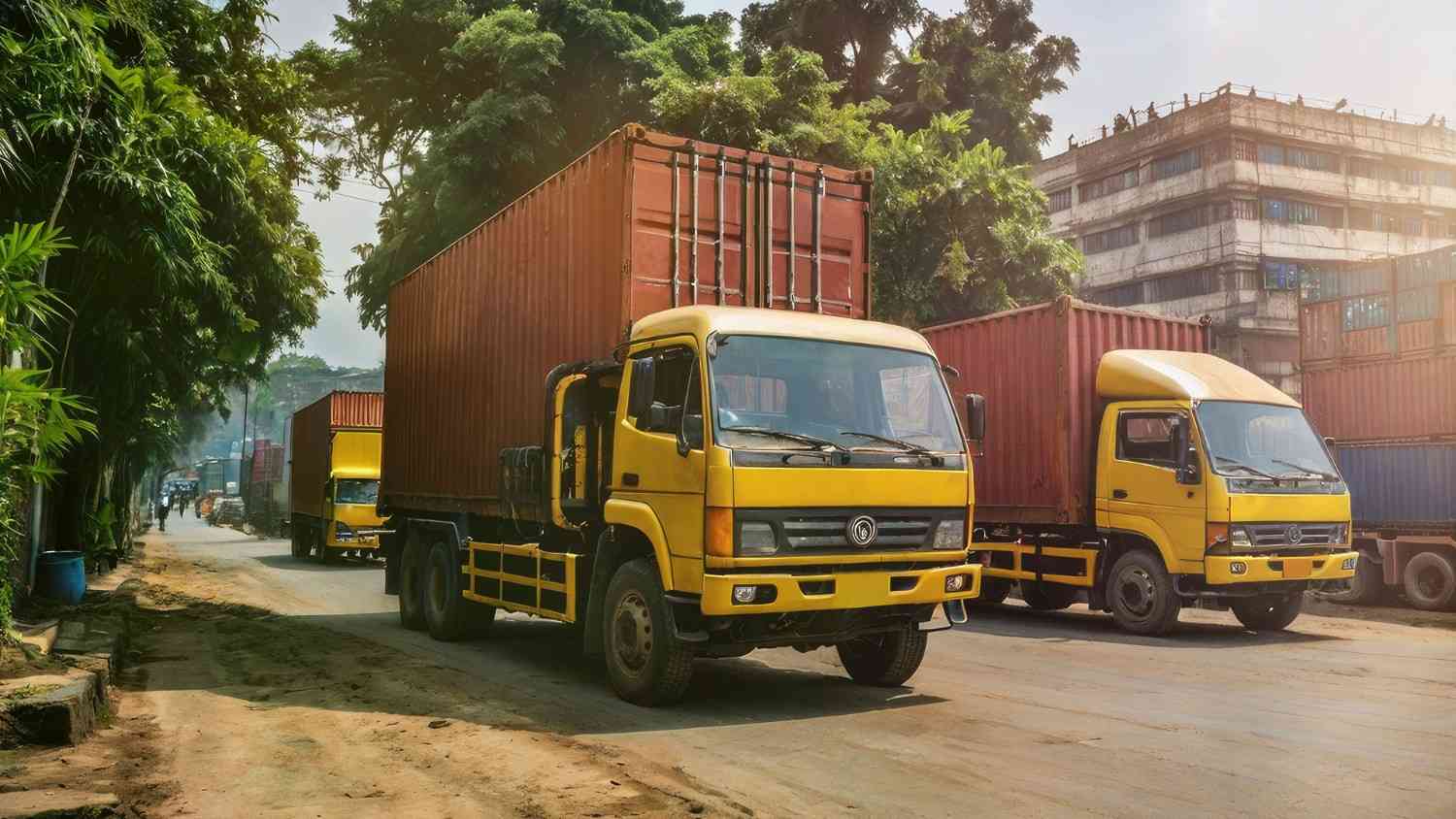
Dhaka is the capital and economic heart of Bangladesh. It is home to millions of people, thousands of businesses, and a growing number of industries. To keep this city running, goods must move quickly and reliably. That is the job of transport and logistics services.
Logistics in Dhaka covers everything from moving raw materials to factories, delivering products to shops, and sending parcels to customers at home. It connects manufacturers, traders, retailers, and consumers. Without it, supply chains break down and businesses lose money.
In recent years, the transport industry in Dhaka has grown significantly. The rise of online shopping, the expansion of the garment sector, and increased domestic trade have all pushed demand for better logistics. New companies have entered the market. Technology has improved how goods are tracked and delivered.
This article explains the rise of transport and logistics services in Dhaka. It covers key services, their economic role, current trends, and the opportunities and challenges facing the sector.
What Is Logistics Bangladesh and the Transport Industry in Dhaka?
Logistics refers to the planning, movement, storage, and delivery of goods from one place to another. It is a system that connects suppliers, warehouses, transport networks, and end customers.
In Bangladesh, logistics covers a wide range of activities. These include road freight, river transport, air cargo, courier services, warehousing, cold storage, customs clearance, and last-mile delivery. Together, these services form the supply chain that keeps businesses operating.
The transport industry in Dhaka specifically refers to the network of vehicles, routes, service providers, and infrastructure that moves goods within the city and to other parts of Bangladesh. Dhaka is the starting or ending point for most commercial goods in the country.
Logistics Bangladesh includes both domestic logistics — moving goods within the country — and international logistics — importing and exporting through ports, airports, and border crossings.
Key players include freight forwarders, courier companies, warehouse operators, third-party logistics (3PL) providers, and e-commerce delivery firms. According to the World Bank, improving logistics performance is closely linked to economic growth and trade competitiveness in developing countries.
History and Background
Transport and logistics in Dhaka have evolved over many decades. In the early years after Bangladesh’s independence in 1971, the logistics sector was basic. Roads were poor, vehicles were limited, and formal logistics companies were few. Most businesses arranged their own transport through informal networks.
During the 1980s, the garment industry began to grow rapidly. This created demand for organized transport and freight services. Factories needed raw materials delivered and finished products shipped to ports. Basic supply chains developed around this need.
In the 1990s, private courier companies began to operate in Bangladesh. Companies started offering parcel delivery, document shipping, and cargo services. International courier brands like DHL, FedEx, and TNT opened offices in Dhaka. Local companies also emerged.
The 2000s brought expansion in road infrastructure. The government invested in national highways, bridges, and road improvements. The Jamuna Multipurpose Bridge, completed in 1998, connected the eastern and western parts of Bangladesh and transformed freight movement between Dhaka and the northern and western regions.
By the 2010s, e-commerce began to grow in Bangladesh. Online shopping platforms created new demand for last-mile delivery services. Logistics companies began investing in technology, vehicles, and delivery networks to serve this growing market.
The construction of the Padma Bridge, completed in 2022, was a landmark moment. It connected Dhaka to the southwestern districts of Bangladesh directly by road, cutting journey times significantly and opening new logistics routes.
Current Situation in Bangladesh
Today, the logistics and transport sector in Dhaka is one of the most active parts of the economy. Hundreds of companies operate in the space, ranging from large multinational logistics firms to small local delivery operators.
The sector serves a wide range of industries. The garment and textile sector is the biggest user of logistics services. Factories import fabric and accessories, process them, and export finished goods. Each step requires freight, customs clearance, and transport services.
Retail and wholesale businesses depend on road transport to receive and distribute goods. Pharmaceutical companies move medicines and medical supplies across the country. Food companies use refrigerated trucks and cold storage to handle perishable products.
E-commerce has added a new and fast-growing layer to logistics. Platforms like Chaldal, Shajgoj, Daraz, and Pathao have driven demand for rapid parcel delivery within Dhaka and to other cities. Delivery companies like Paperfly, Pathao Courier, Steadfast, and RedX have grown to meet this demand.
Road transport dominates. Dhaka’s road network is the main artery for freight movement. Trucks, pickups, and covered vans carry most goods. River transport through the Buriganga and Shitalakshya rivers also plays a role, particularly for bulk goods.
Hazrat Shahjalal International Airport in Dhaka handles air cargo for high-value and time-sensitive shipments. Chittagong Port — the country’s main seaport — is connected to Dhaka by road and rail, forming the central corridor of the national supply chain.
Business and Economic Importance
Transport and logistics are essential to how Bangladesh does business. Their economic importance is far-reaching.
Supporting the Garment Industry: Bangladesh is the world’s second-largest garment exporter. The entire export process depends on logistics. Fabrics arrive at Chittagong Port, are transported to factories in Dhaka and surrounding areas, and finished goods are sent back to the port for shipping. Any delay in this chain causes financial losses and damages export contracts.
Enabling Domestic Trade: Merchants, wholesalers, and retailers depend on road transport to move goods between cities, districts, and markets. Dhaka’s markets — including Kawran Bazar, Gausia, Elephant Road, and Chawkbazar — receive goods from all over Bangladesh daily. Logistics makes this possible.
Powering E-Commerce: Online shopping in Bangladesh has grown rapidly. Every order placed online needs to be picked, packed, and delivered. This has created a large and growing logistics sub-sector focused on parcel delivery and last-mile fulfillment.
Generating Employment: The logistics sector employs a large number of people. Truck drivers, warehouse workers, delivery riders, customs agents, freight forwarders, and logistics managers all form part of the workforce. The sector offers jobs to workers at all skill levels.
Attracting Investment: A reliable logistics system attracts foreign investment. Companies setting up factories or sourcing operations in Bangladesh need confidence that goods can move efficiently. Poor logistics increases cost and risk, while good logistics makes Bangladesh more competitive.
According to Trading Economics, Bangladesh’s GDP has grown consistently. Logistics growth has been both a driver and a result of this broader economic expansion.
Key Components and Types of Logistics Services
Road Freight
Road freight is the backbone of logistics in Dhaka. Trucks, covered vans, and pickup vehicles carry goods within the city and across Bangladesh. Road freight is used for everything from factory deliveries to retail distribution. The network of national highways connecting Dhaka to Chittagong, Sylhet, Khulna, and Rajshahi forms the main freight arteries.
River and Waterway Transport
Bangladesh has an extensive network of rivers. River transport is used for bulk goods, construction materials, agricultural products, and fuel. Dhaka’s river terminals at Sadarghat handle large volumes of goods coming from southern districts. River transport is slower than road but cheaper for heavy cargo.
Air Cargo
Hazrat Shahjalal International Airport handles air freight. This is used for high-value goods, urgent shipments, and exports that require fast delivery — such as fresh seafood, pharmaceuticals, and time-sensitive garment samples. International logistics companies operate air cargo services through the airport.
Courier and Parcel Delivery
Courier services handle small packages, documents, and e-commerce orders. International couriers like DHL, FedEx, and Aramex serve business clients needing international shipping. Local couriers like Paperfly, RedX, Steadfast, and Pathao Courier handle domestic parcel delivery, especially for online retailers.
Freight Forwarding
Freight forwarders arrange the movement of goods through customs, ports, and international shipping lanes. They handle documentation, customs clearance, insurance, and coordination between different carriers. Many Bangladeshi freight forwarders specialize in garment export logistics.
Warehousing and Storage
Warehouses store goods before distribution. Dhaka has commercial warehouses in areas like Tejgaon, Demra, and the outskirts of the city. Cold storage warehouses serve the food and pharmaceutical sectors. Third-party logistics providers manage warehousing for multiple clients.
Last-Mile Delivery
Last-mile delivery refers to the final step — getting a product from a warehouse or sorting center to the customer’s door. This is a fast-growing segment driven by e-commerce. Delivery riders on motorcycles and bicycles carry out most last-mile deliveries within Dhaka.
Cold Chain Logistics
Cold chain logistics involves keeping temperature-sensitive goods — like medicines, food, and seafood — cool throughout the supply chain. This requires refrigerated trucks, cold storage warehouses, and trained handlers. The cold chain sector in Bangladesh is growing but still developing.
Market Trends in Bangladesh
Several major trends are shaping logistics Bangladesh and the transport industry in Dhaka.
E-Commerce Growth: Online shopping has driven rapid expansion in parcel delivery and fulfillment services. As more Bangladeshis buy online, logistics companies are building larger networks, faster sorting systems, and better tracking tools.
Technology and Tracking: Many logistics companies now offer real-time tracking through mobile apps and websites. Customers can see where their orders are. Businesses can monitor their shipments. This has improved reliability and customer trust.
Ride-Hailing and On-Demand Delivery: Apps like Pathao and Shohoz started as ride-hailing platforms but have expanded into delivery services. On-demand delivery — where a customer can book a courier instantly through a mobile app — is growing quickly in Dhaka.
Outsourcing to 3PL Providers: Many businesses are outsourcing their logistics to third-party providers instead of managing their own transport and warehouses. This reduces fixed costs and allows companies to focus on their core business.
Padma Bridge Impact: The opening of the Padma Bridge in 2022 has shortened travel times between Dhaka and southwestern Bangladesh by several hours. This has improved logistics for businesses in Khulna, Barisal, and surrounding areas and is creating new supply chain opportunities.
Intermodal Transport: Combining road, river, and rail transport is gaining interest. Using river transport for bulk goods and road for the final delivery can reduce costs. Rail freight is also being considered for long-distance cargo.
Opportunities
The logistics and transport sector in Dhaka offers strong opportunities for growth and investment.
Logistics Infrastructure Investment: There is a significant need for modern warehouses, logistics parks, truck terminals, and distribution centers near Dhaka. Investors who build quality logistics infrastructure can serve the growing demand from manufacturers, retailers, and e-commerce companies.
Cold Chain Development: The food, pharmaceutical, and seafood sectors all need better cold chain infrastructure. There is a clear gap in the market for reliable refrigerated transport and cold storage. Investors in this area can serve both domestic and export markets.
E-Commerce Logistics Expansion: As online retail grows, demand for parcel sorting centers, delivery hubs, and last-mile delivery networks will increase. Companies that can offer fast, affordable, and trackable delivery across Bangladesh have a large market opportunity.
Technology Platforms: Digital logistics platforms — connecting shippers, truckers, and warehouses — are still underdeveloped in Bangladesh. Technology companies that build freight marketplaces, fleet management tools, or supply chain software can find strong demand.
Export Logistics Services: As Bangladesh diversifies its exports beyond garments — into pharmaceuticals, IT, seafood, and processed food — the demand for specialized export logistics will grow. Companies offering end-to-end export logistics will be well-positioned.
Rural Logistics Networks: Most logistics investment has focused on Dhaka and Chittagong. But rural areas have growing demand for delivery services, especially as e-commerce reaches smaller towns. Building logistics networks in secondary cities and rural areas is an underserved opportunity.
Skill Development: Training programs for logistics professionals — including warehouse managers, freight coordinators, customs specialists, and supply chain analysts — are in demand. Vocational training providers and universities can develop specialized logistics education programs.
Challenges
Despite growth, the logistics sector in Dhaka faces serious challenges.
Traffic Congestion: Dhaka is one of the most congested cities in the world. Heavy traffic adds hours to delivery times, increases fuel costs, and makes it difficult to offer reliable schedules. Congestion is the single biggest obstacle to logistics efficiency in the city.
Road Infrastructure Quality: While major highways have improved, many secondary roads and internal streets in Dhaka are narrow, damaged, or poorly maintained. This limits vehicle access and increases wear on transport equipment.
Lack of Organized Logistics Hubs: Dhaka lacks dedicated truck terminals, logistics parks, and organized freight zones. Trucks often park on roadsides for loading and unloading, adding to congestion and causing delays.
Fragmented Market: The logistics sector is fragmented. Many small operators work informally, without standard contracts, insurance, or quality controls. This inconsistency makes it difficult for businesses to rely on a single provider across the country.
High Operating Costs: Fuel prices, vehicle maintenance, driver wages, and informal payments at checkpoints all add to logistics costs. These costs are often passed on to businesses and consumers.
Limited Use of Technology: While leading companies use tracking and digital tools, many smaller operators do not. Manual systems and paper-based processes slow down operations and increase errors.
Customs and Port Delays: Import and export logistics often face delays at Chittagong Port due to documentation issues, inspection queues, and customs processing. These delays affect business planning and increase costs.
Skilled Workforce Shortage: There is a shortage of trained logistics professionals in Bangladesh. The sector needs people with skills in supply chain management, freight forwarding, warehouse operations, and logistics technology.
Future Outlook in Bangladesh
The future of logistics Bangladesh and the transport industry in Dhaka looks promising. Several factors point to continued growth.
The government has included logistics infrastructure in its national development plans. New roads, bridges, and economic zones are being built. The Dhaka-Chittagong Expressway, when complete, will significantly cut freight travel time between the capital and the main seaport.
The expansion of economic zones across Bangladesh — including Mirsarai, Bangabandhu Sheikh Mujib Shilpa Nagar, and others — will create new manufacturing clusters. These zones will need strong logistics connections to Dhaka, Chittagong Port, and international markets.
E-commerce will continue to drive logistics growth. As internet access expands and consumer confidence in online shopping grows, parcel delivery volumes will increase. Logistics companies that invest in technology, coverage, and speed will lead this market.
The World Bank and other development partners are supporting transport infrastructure projects in Bangladesh. These investments in roads, bridges, and inland waterways will improve connectivity across the country.
Rail freight is being considered as a way to move bulk goods more efficiently between Dhaka, Chittagong, and other major cities. If rail logistics capacity expands, it could relieve pressure on road networks.
Regional connectivity is another future opportunity. Bangladesh’s position between India, Myanmar, and Southeast Asia gives it the potential to become a regional logistics hub. Trade corridors and transit agreements could expand Dhaka’s role in cross-border logistics.
With the right investment in infrastructure, technology, and workforce skills, the transport and logistics sector in Dhaka can grow into one of the most important service industries in Bangladesh.
Conclusion
Transport and logistics services have become essential to Dhaka’s economy and to Bangladesh’s broader growth story. They keep factories running, supply markets with goods, deliver online orders, and connect Bangladesh to global trade routes.
The sector has grown significantly over the past two decades. New companies, new technology, and infrastructure improvements like the Padma Bridge have transformed how goods move across the country. E-commerce has added fresh energy and investment to the space.
Challenges remain real. Traffic congestion, infrastructure gaps, high costs, and a fragmented market are problems that need policy attention and private investment. But the opportunities are also clear.
For investors and businesses, logistics in Dhaka and Bangladesh offers strong growth potential. From warehousing and cold chain to e-commerce delivery and freight technology, the sector has room to expand across every segment.
For the broader economy, a more efficient and reliable logistics system means lower business costs, faster trade, and stronger competitiveness for Bangladesh in regional and global markets.
Frequently Asked Questions (FAQ)
1. What is the logistics sector in Bangladesh? The logistics sector in Bangladesh covers the movement, storage, and delivery of goods. It includes road freight, river transport, air cargo, courier services, warehouse management, customs clearance, and e-commerce delivery. It supports all major industries in the country.
2. Why is logistics important for Dhaka’s economy? Dhaka is Bangladesh’s economic center. Businesses in the city depend on logistics to receive raw materials, distribute products, and deliver orders. Efficient logistics reduces costs, saves time, and supports business growth. It also creates a large number of direct and indirect jobs.
3. What are the main types of logistics services in Dhaka? Main types include road freight, river transport, air cargo, courier and parcel delivery, freight forwarding, warehousing, cold chain logistics, and last-mile delivery. E-commerce delivery is the fastest-growing segment.
4. Which companies provide logistics services in Dhaka? International companies like DHL, FedEx, and Aramex operate in Dhaka. Local logistics companies include Paperfly, RedX, Steadfast, Pathao Courier, and many freight forwarders and trucking operators. Third-party logistics providers also serve manufacturing and retail clients.
5. How has e-commerce affected logistics in Dhaka? E-commerce has significantly increased demand for parcel delivery, sorting centers, and last-mile delivery services. Platforms like Daraz, Chaldal, and others have driven the growth of courier networks across Dhaka and beyond.
6. What impact has the Padma Bridge had on logistics? The Padma Bridge, completed in 2022, directly connected Dhaka to the southwestern districts of Bangladesh. It cut travel times by several hours. This has improved logistics routes, reduced transport costs, and created new supply chain opportunities for businesses in the region.
7. What are the biggest challenges facing logistics in Dhaka? The biggest challenges are traffic congestion, poor secondary road conditions, lack of organized freight hubs, high operating costs, customs delays at Chittagong Port, and a shortage of trained logistics professionals.
8. What opportunities exist for investment in Bangladesh’s logistics sector? Opportunities include building logistics parks, warehouses, cold storage facilities, e-commerce fulfillment centers, and digital freight platforms. Rural logistics networks and export logistics for non-garment sectors are also growing opportunity areas.
9. How does logistics support Bangladesh’s garment export industry? The garment industry depends on logistics to import raw materials through Chittagong Port, transport them to factories around Dhaka, and ship finished products back for export. Any disruption in this logistics chain directly affects export performance and revenues.
10. What is the future of logistics in Bangladesh? The future includes continued e-commerce growth, improved road and rail infrastructure, expansion of economic zones, greater use of digital tracking and freight platforms, and potential growth as a regional logistics hub. Government investment and private sector innovation will both shape the sector’s development.